







 WhatsApp


The rise of employee experience is the next most important topic for HR professionals to consider. Why? Let's do an experiment. Go to LinkedIn and type "Employee Experience" in quotation marks in the search field. As of September 10, 2020:
-
In Turkey, 1700 people have "Employee Experience" in their profile. If you search for "Employee Experience", there are approximately 7800 people in the Turkey region,
-
All over the world, approximately 4,800,000 people have "Employee Experience" in their profile.
-
In Turkey, there are 60 job postings with "Employee Experience" or "Employee Experience" in the title.
-
There are 82000 results with the term "Employee Experience" in LinkedIn posts.
-
There are 1061 groups with "Employee Experience" in their name and the most popular ones have approximately 176500 members.
-

When I did the same research 3 years ago, the number of people with "Employee Experience" in their profile was less than 100. More and more HR professionals are changing their titles to add this new term, and it seems to be senior HR leaders in reputable companies who are leading the way. Here are a few examples from around the world:
- Sam Wolfe, Senior Employee Experience Manager - Tesla
- Terri Marino Johnson, Global Employee Experience Leader-DowChemicals
- Shauna Cort, Head of Employee Experience - Linkedin
- Jordan Lumley, Employee Experience Manager, Cathay Pacific Airways
- Sander de Bruijn,Global Employee Experience Leader- ING Bank
- Rich Kaplan, Global Employee Experience Leader-Microsoft
- Tom Dewaele, Global Employee Experience Leader-Unilever
 Come to think of it, "human resources" now sounds like an outdated and politically incorrect term. Are employees really the company's resources?
"Human resources" is a corporate term that refers to one of the different inputs a company needs to produce products or services.
When "human resources" is seen as a cog in the wheel of corporate returns, the term is not really adequate to describe employees. At the end of the day, companies are made up of a group of people who create value for customers. It is your people who drive the ultimate success of the company.
"Employee Experience"
It shows a 262% increase in popularity.
Google has a cool tool that shows the popularity of a term in the search engine. Google Trends allows you to see the interest for a term over the last five years. If you do a Google Trends search for the term "Employee Experience", you'll see a 262 percent increase in interest in the term, compared to an average popularity value of 27 in 2015 and 98 in 2020.
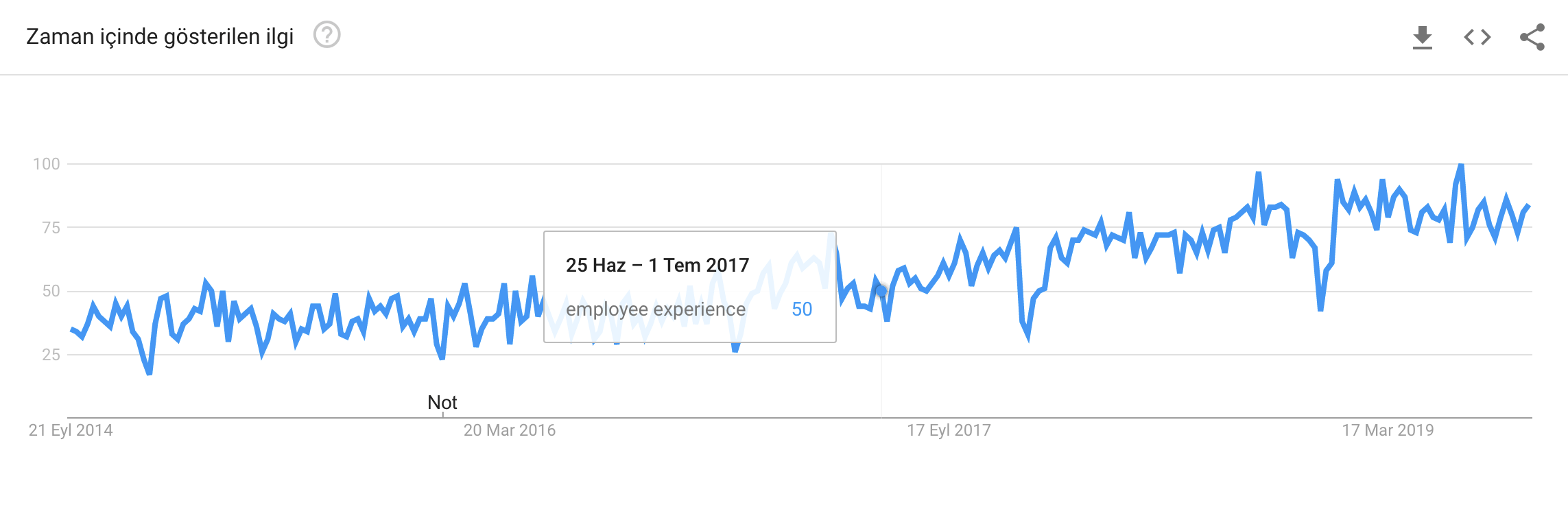
Google's definition of "interest over time" is a bit complicated. Google explains it like this: "Numbers represent search interest in relation to the highest point on the chart for a given region and time." A value of 100 is the peak popularity for a term. A value of 50 means that the term is half popular. Similarly, a score of 0 means that the term is less than 1% less popular than at its peak.
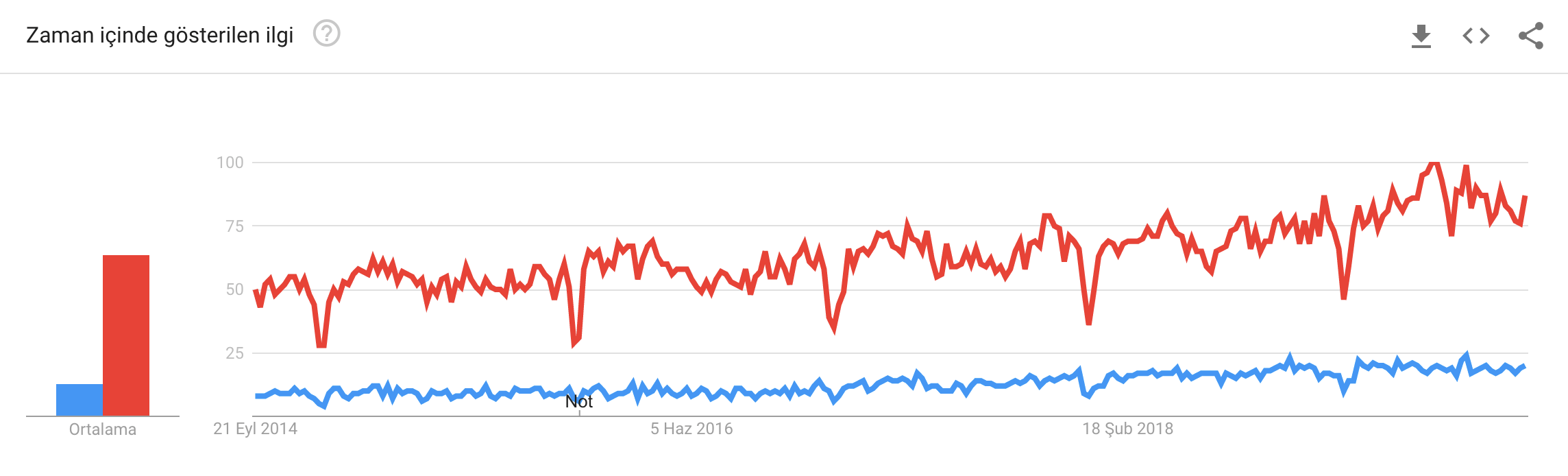
If you compare the interest in "Employee Engagement", you will see that Employee Experience has a long way to catch up. Nevertheless, the trend in interest in "Employee Experience" is still rising.
What is Employee Experience?
Simply put, employee experience is the sum of employees' perceptions of their interactions with the organization they work for. These perceptions drive how employees feel about their work and how much effort they put into doing their jobs. Employee experience determines how effective your company is in attracting, retaining and engaging your workforce.
The Employee Experience Revolution
Are we in the midst of a significant shift in thinking when it comes to employees? I hope so. As the global economy grows and competition becomes ever more intense, the battle to attract talent will become increasingly difficult. Attracting, retaining and engaging top talent will be a key advantage for successful companies to win in such a time, and it all starts with creating a great employee experience.
I have a question for you: If you were in HR, would you replace the term "human resources" in your title with "employee experience"? Have you already done this? Why? You can share your thoughts with me by writing them in the form below.
Download Employee Experience Sample Questionnaire
Other blogs you may be interested in:
5 Ways to Guarantee a Bad Employee Experience
An Interview with the Authors of the Employee Experience Book
4 Misconceptions about Employee Engagement in the Minds of CEOs
What is the Law of Conjugate Experience?
Customer Experience Improves with a Good Employee Experience
Related Articles


-2.png)