






 Chat
Chat

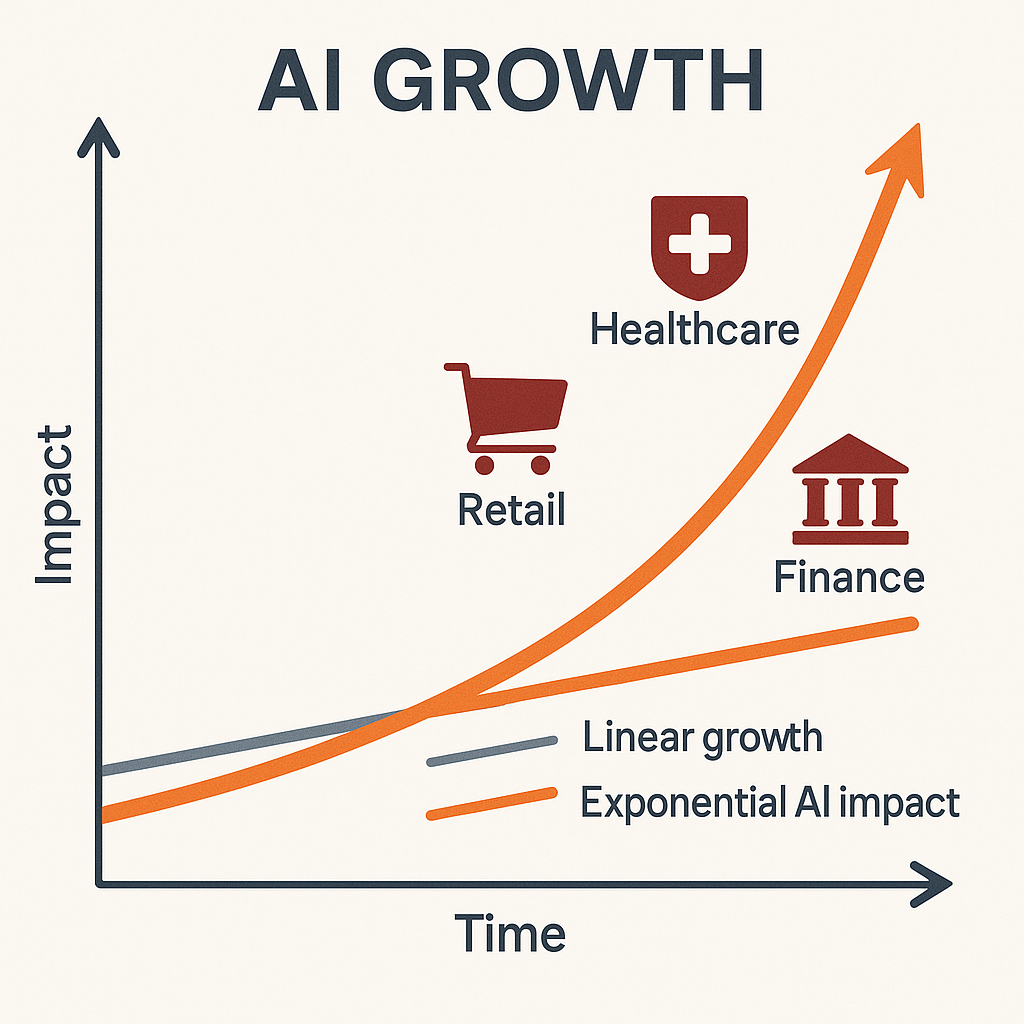
Artificial intelligence is advancing at a pace that many organizations did not fully anticipate. While many business leaders plan for incremental improvements, the reality is that AI's impact is often growing exponentially - transforming industries, workflows and customer expectations much faster than traditional planning models envisioned.
This mismatch between linear thinking and exponential impact creates one of the most significant risks in AI transformation. Companies underestimate the speed and scale of change, miss strategic opportunities and struggle to adapt. In this article, we consider how linear thinking limits AI success, how exponential AI impacts play out in real-world scenarios, and actionable strategies on how leaders can stay ahead of these impacts.
The Trap of Linear Thinking
Most organizations plan in linear increments. They assume that a new technology will deliver incremental and predictable results: 5% productivity gains here, 10% time savings there. While this approach works for traditional process improvements, it falls short when applied to AI.
The exponential effect occurs when small AI-driven innovations multiply over time and produce results far beyond initial expectations. For example, the recommendation engine on an e-commerce site may initially modestly improve product recommendations. But as the model learns from further interactions, customer engagement and purchase behavior, the aggregate impact can lead to significant revenue increases within months.
Key takeaway: Linear planning for AI can leave organizations unprepared for rapid change and missed opportunities. Leaders need to adopt frameworks that anticipate compound effects.
Understanding Exponential AI Impact
The exponential effect is not just a theoretical concept - it can be measured and observed across sectors.
- Health: Predictive models for patient care initially reduce readmissions slightly. Over time, as models receive more data and integrate with clinical workflows, hospitals can see dramatic reductions in complications and operational costs.
- Finance: Fraud detection algorithms initially catch a few unusual transactions per day. As the system scales, learns and integrates with multiple data sources, it can prevent millions of losses annually.
- Supply Chain: AI-powered demand forecasting can initially adjust inventory levels by small margins. With iterative learning and network-wide data sharing, companies can achieve near-optimal inventory levels, reduce waste and improve delivery performance exponentially.
These examples show that exponential results emerge through iteration, learning and integration - elements often underestimated in linear planning.
Common Challenges Leaders Face
- Underestimating the Speed of Change
Executives often plan in quarterly or annual cycles and assume small incremental gains. AI breakthroughs can invalidate existing strategies within weeks if leaders do not anticipate exponential effects. - Resource Allocation Mistakes
Teams may initially allocate few resources, expecting only incremental improvements. When influence grows rapidly, under-resourced teams struggle to manage adoption, integration and oversight. - Cultural Resistance
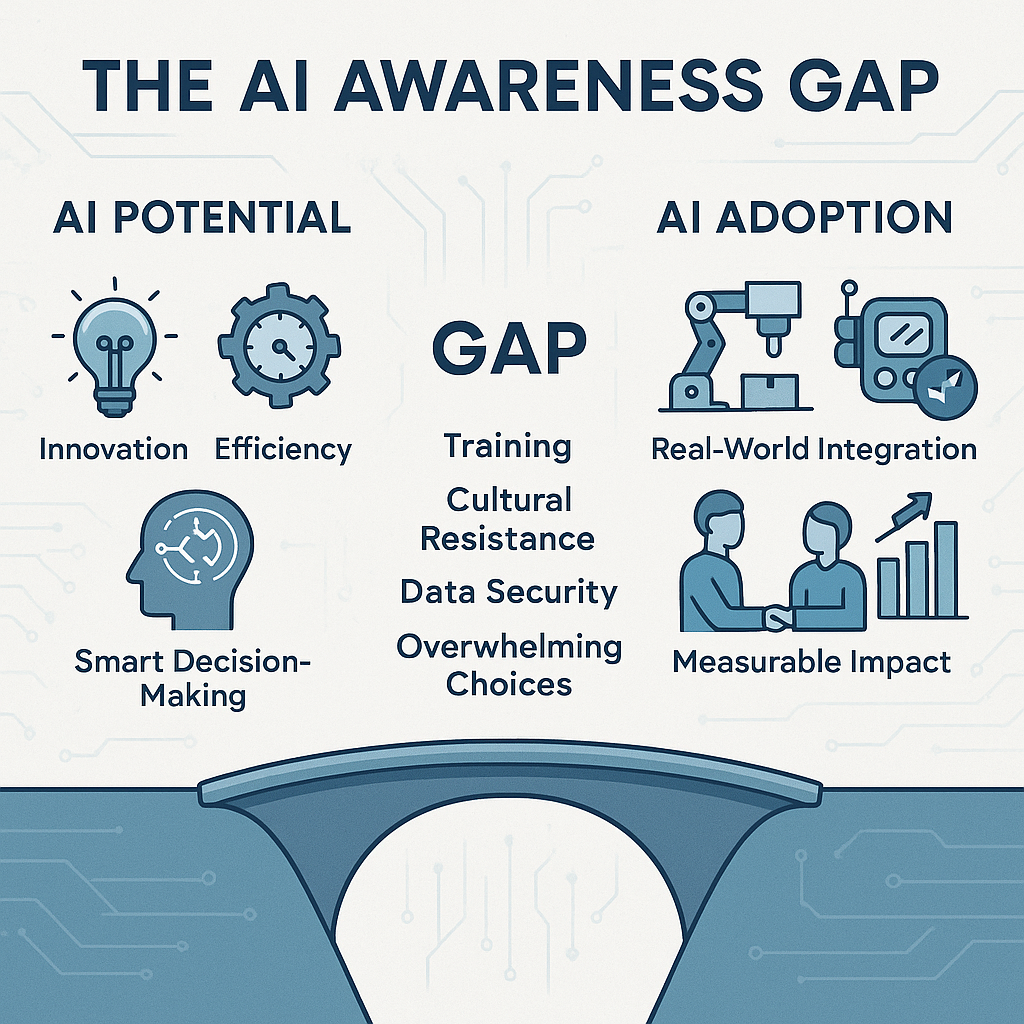
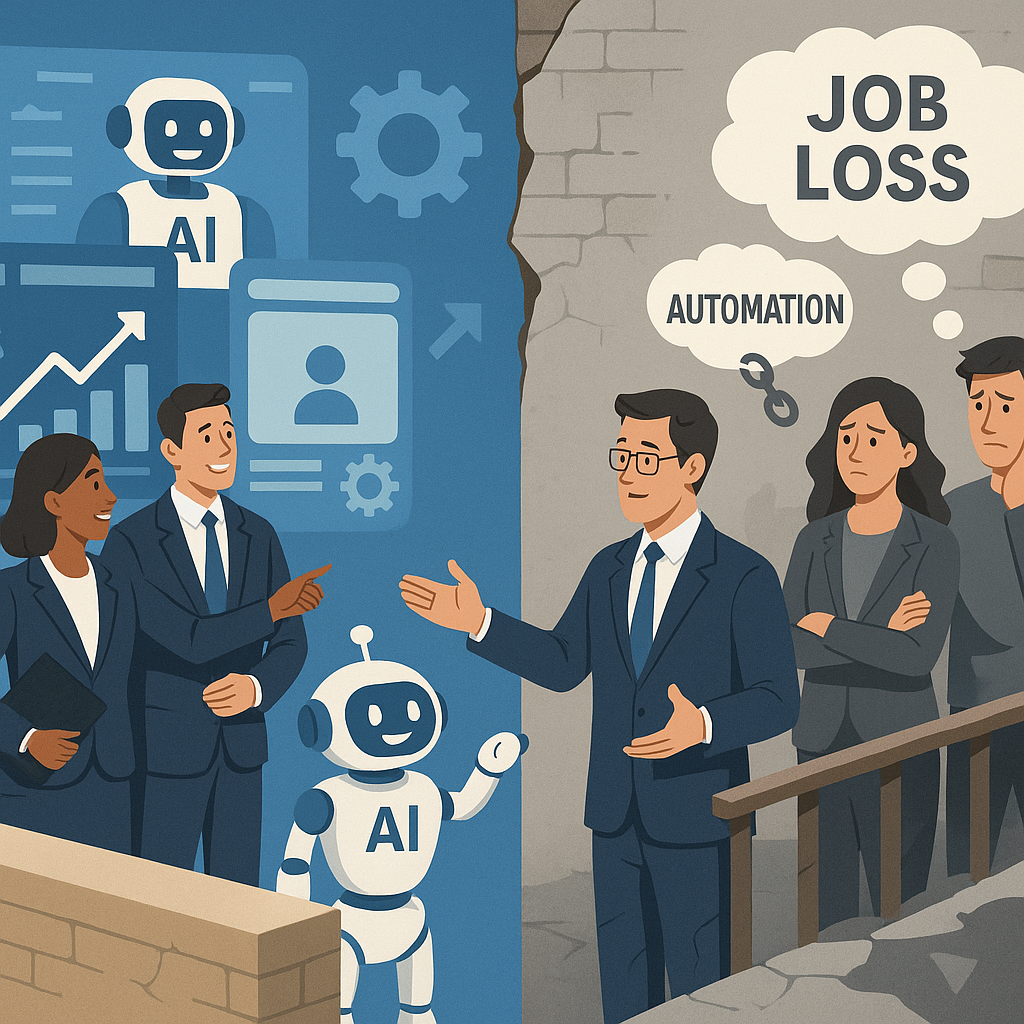
Employees used to linear change may perceive rapid automation or process change as disruptive and resist exponential change. This resistance can stop implementation and reduce ROI. - Incompatible Metrics
Traditional KPIs track linear progress. Focusing only on short-term outcomes can mask the true value of exponential AI effects.
Strategies to Capture the Exponential AI Effect
1. Think in terms of Compounding Results
Instead of expecting continuous, incremental improvement, leaders should model how AI outputs can multiply over time. Use simulations and scenario planning to project long-term impacts.
2. Invest in Scalable Infrastructure
Exponential impact requires systems that can handle increasing data, compute and user demands. Cloud platforms, modular architecture and strong integration channels are critical.
3. Foster an Agile Culture
Rapid and compound changes require flexible teams. Encourage cross-functional collaboration, iterative feedback and openness to new processes. Reward experimentation and calculated risk-taking.
4. Measure Outcomes, Not Outputs
Shift the focus from isolated performance metrics to total business impact. For example, track revenue growth from AI recommendations instead of raw usage statistics.
5. Pilot, Iterate and Scale
Start small to test assumptions, then scale projects quickly when results start to show exponential effects. Iterative learning enables organizations to achieve exponential benefits without initially over-investing.
Case Study E-Commerce Recommendation Engine
A global online retailer implemented a recommendation system, initially expecting a modest 3-5% increase in sales. Early adoption metrics were promising but not groundbreaking.
Instead of slowing investment, leadership focused on
- Iteratively improve algorithms based on click and purchase behavior
- Integrating cross-category insights into personalized recommendations
- Disseminate email campaigns and push notifications
Within nine months, the system generated 20% revenue growth from repeat customers. What was initially a linear expectation turned into an exponential business impact through careful iteration and scaling.
Balancing Strategy and Speed
Exponential AI impact offers great opportunities - but can overwhelm unprepared organizations. Leaders must balance speed with thoughtful planning:
- Anticipate network effects: Recognize that small improvements in one area can spread across the entire organization.
- Avoid short-term gains: Resist the temptation to pursue only immediate gains.
- Align incentives with long-term results: Encourage teams to optimize the compound impact rather than just short-term KPIs.
Conclusion: Rethinking AI Transformation
Linear thinking limits the potential of AI. Exponential impacts are real, measurable and transformative - but they cannot be effective when leaders do not anticipate, plan and adapt. By modeling compounding outcomes, investing in scalable infrastructure, fostering agility, and focusing on results, organizations can harness the true power of AI.
AI transformation is not about small incremental gains - it's about positioning your organization to achieve rapid and compound value. Start with a clear strategy, pilot smartly and scale with confidence. By doing so, you can stay ahead of change, maximize ROI and create sustainable competitive advantage.