






 Chat
Chat

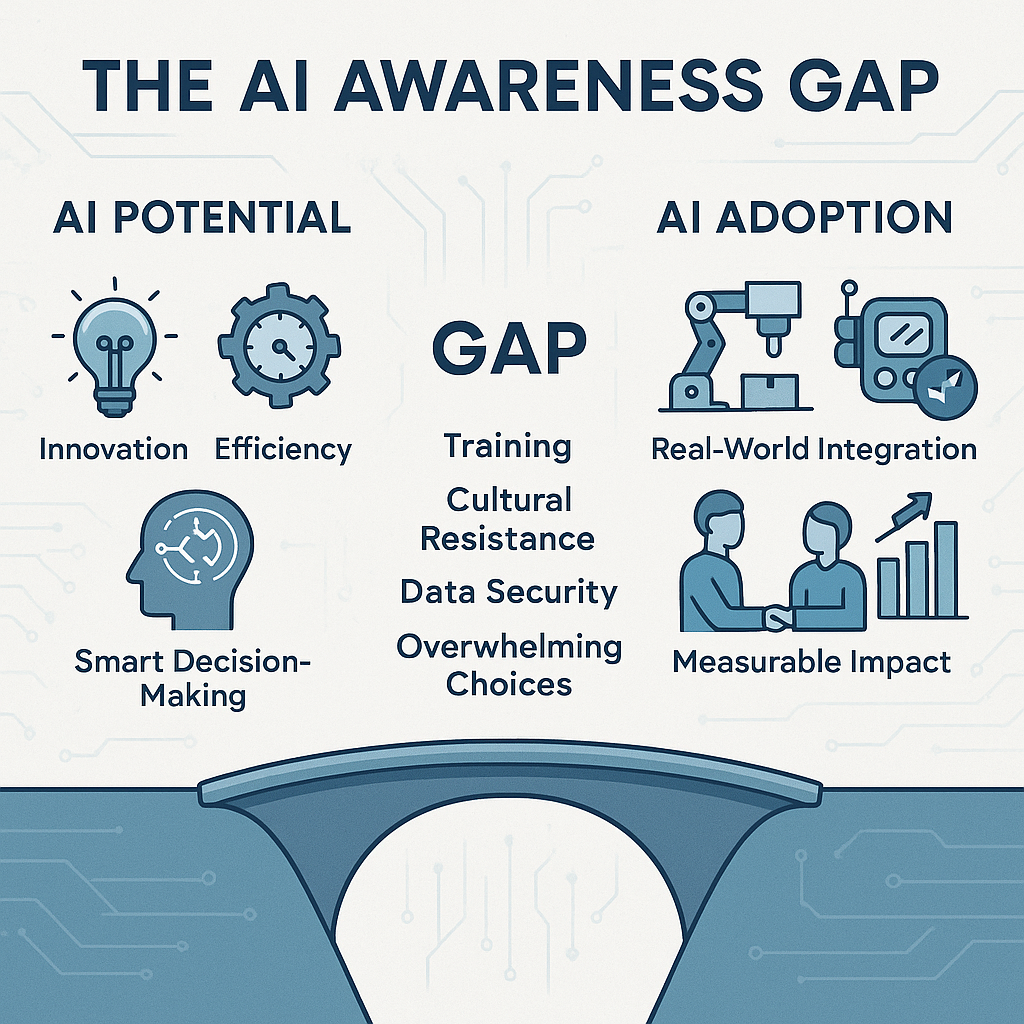
In 2025, AI is everywhere. From marketing automation to predictive analytics, customer service bots to operational efficiency, leaders see AI as the leverage point for growth and speed. But ask most CIOs or operations managers and you'll get a different answer: The challenge is not building AI, but integrating it into existing systems.
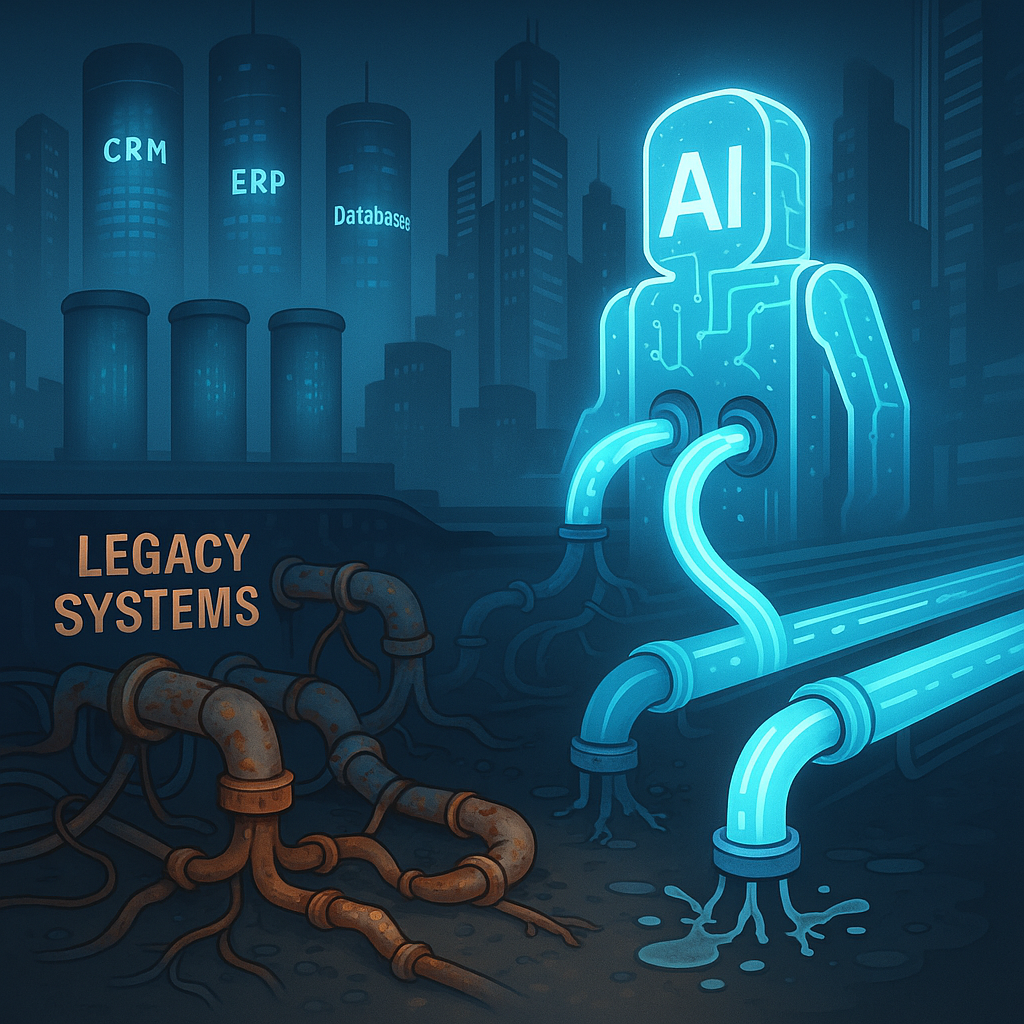
Legacy systems - the CRMs, ERPs and custom-built databases that keep companies afloat - are often silent obstacles. They are not so worthless that they can be torn down, but they are too old to be seamlessly connected. The result? AI projects slow down, costs balloon, and executives start to wonder, "is all the excitement really worth it?"
This is not just anecdotal. The data proves it. Let's look at the numbers together, see why integration is the biggest bottleneck, and - most importantly - what can be done about it.
The Size of the Integration Problem
The numbers paint a clear picture:
-
More than 90% of organizations struggle to integrate AI into their existing technology stack (APM Digest).
-
81% of IT leaders say data silos are hindering digital transformation, while 62% say their systems are not in place to support AI at scale (Salesforce Connectivity Report, 2024).
-
According to Fivetran, 42% of AI projects fail or fall short of expectations due to inadequate data readiness, including integration gaps (Fivetran).
-
Only 12% of companies say their data is of sufficient quality and availability to support AI (AIM Council).
If your AI investments are not delivering the expected value, it's probably not the algorithm - it's the infrastructure.
Why Integration with Legacy Systems Fails
Three main barriers stand out:
-
Data Silos
When financial data is kept in one place and customer interactions in another, AI models cannot see the full picture. An AI developed for marketing can't predict customer churn if it doesn't see billing data. -
Technical Debt
Many organizations are working with systems that were customized years ago. Every patch, every custom workflow or legacy API adds "technical debt". As debt increases, integrating new tools becomes riskier. -
Resistance to Change
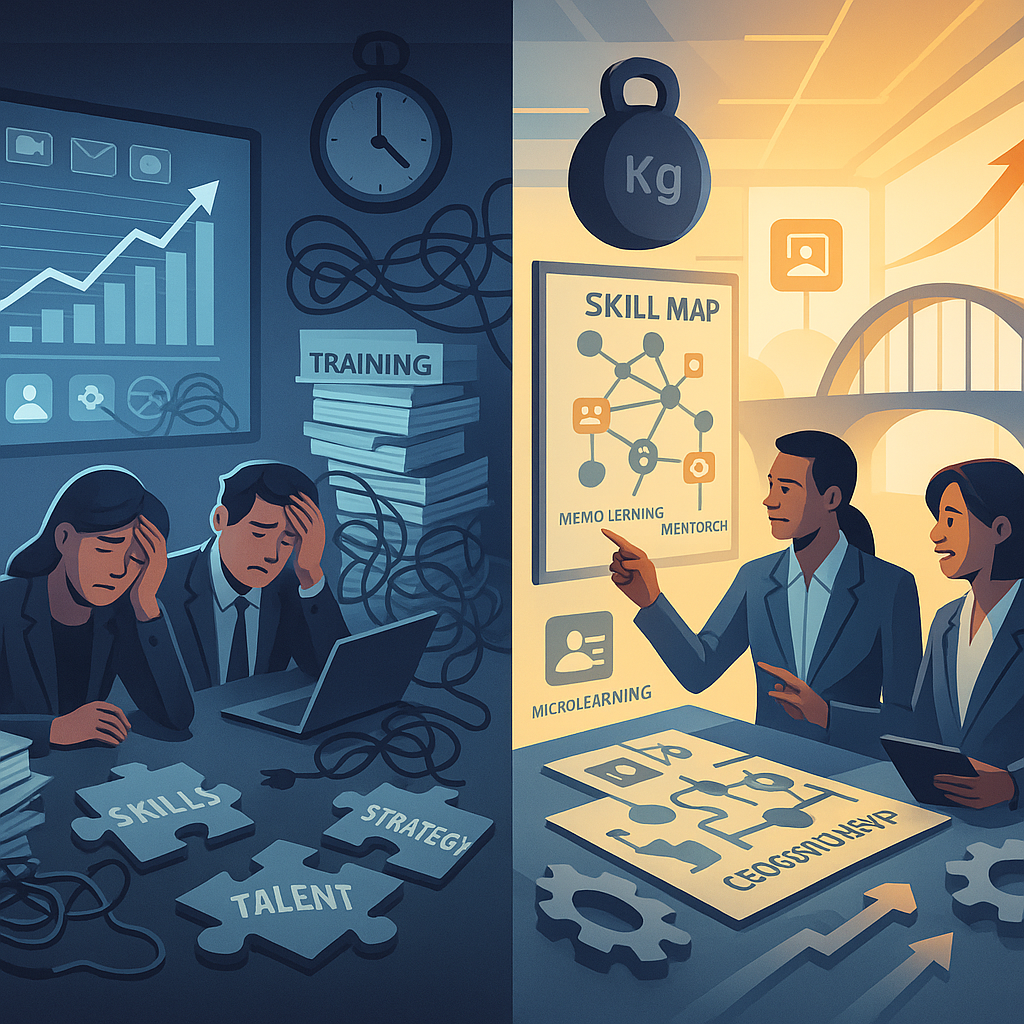
Integration is not only technical - there is also a human factor. When employees who are already switching between multiple platforms are asked to use a "new artificial intelligence tool", resistance can arise. Adoption rate drops when clear value is not demonstrated.
A Familiar Scenario
Imagine a retailer investing in artificial intelligence to optimize inventory management. The pilot model works perfectly in a test environment. But when it moves to real systems, it fails - because sales, supply chain and store data are not integrated. AI can't see the entire chain, so the predictions become invalid.
This is similar to the piping metaphor: No matter how sophisticated your water purifier is, clean water won't flow out of the faucet if the pipes have holes or are not connected. AI is only as powerful as the systems it connects to.
How Can You Solve the Integration Problem?
Good news: Integration is not insoluble. With discipline and the right strategy, it can be overcome. To get started, focus on the following:
-
Map Your Systems
Don't start blindly. Inventory the technology stack: where is the data kept, who uses it, how does it flow? This map becomes your roadmap for integration. -
Standardize and Harmonize Data
A fragmented data foundation is the reason why AI derails the fastest. Align key fields and formats first. Even small harmonizations make a big difference. -
Use Middleware and APIs Wisely
Modern platforms like MuleSoft, Workato or Zapier bridge the gap between old and new. Reusable connectors reduce integration time. -
Start Small, Make Pilots in Control
Select a single high-value use case, for example customer churn prediction. Run a pilot, measure results and refine the integration. Scale after success is achieved. -
Build Cross-Functional Teams
Integration is not just IT's job. Bring operations, data, compliance and business leaders to the same table. Thus, solutions that are suitable for both technical and business processes are produced. -
Make Adoption a Priority
It's not over when systems are connected - it's over when employees use them. Provide training, align dashboards with daily tasks and increase motivation by sharing success stories frequently.
The Human Side of Integration
An often overlooked fact: Integration is as much about trust as it is about technology.
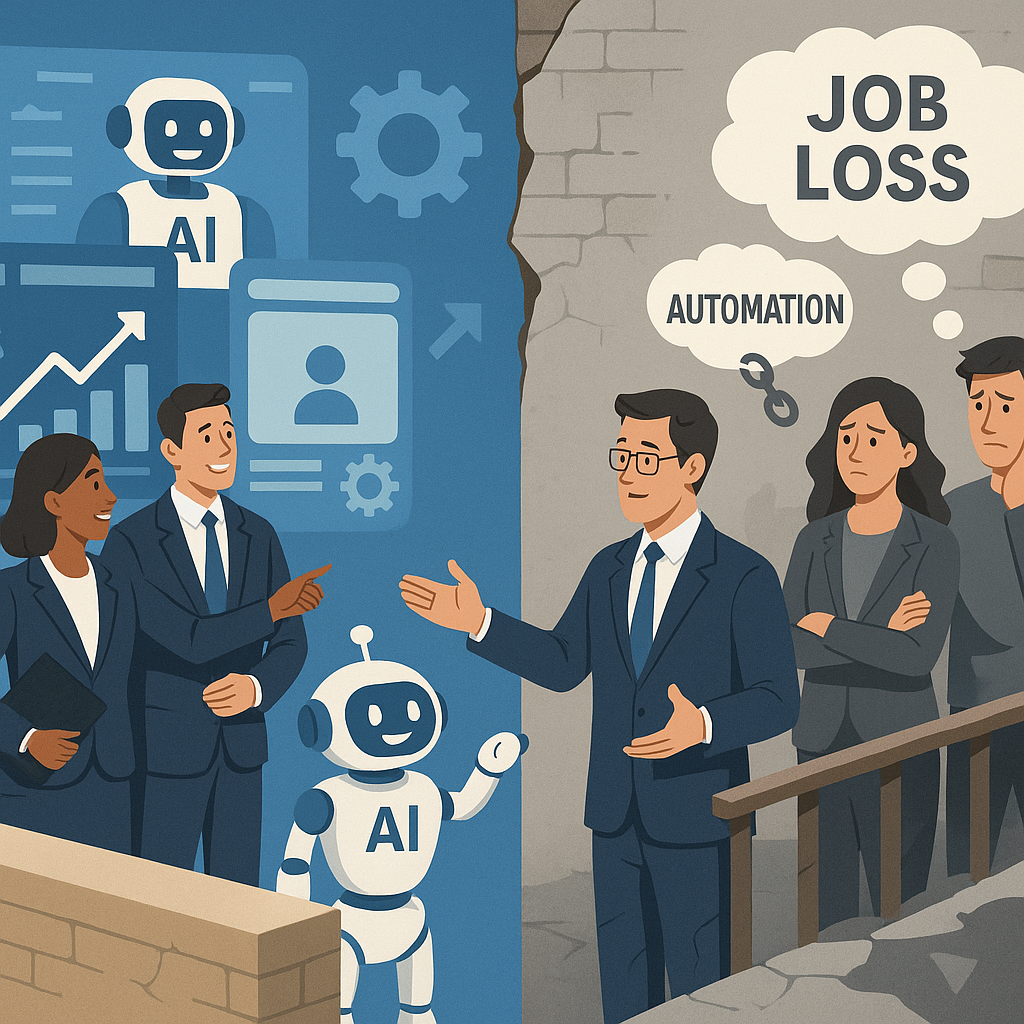
Executives worry about downtime and employees worry about job loss. Without openness and transparency, every new system is perceived as a threat. This is why communication is so critical: Tell why you are integrating, not what you are integrating.
Leaders who frame AI as a tool that supports existing workflows often achieve faster adoption and stronger ROI.
Key Takeaways
-
Integration is the biggest bottleneck. More than 90% of companies struggle to connect AI with legacy systems.
-
Data silos and technical debt are the biggest obstacles locking in AI's true potential.
-
Start small. Pilots, middleware and cross-functional teams reduce risks.
-
Adoption is critical. AI is successful when people actually start using it in their daily work.
Conclusion
AI fails not because the algorithms are weak, but because the underlying systems cannot support it. The companies that win with AI in 2025 will not be the first to implement it; they will be the ones that integrate seamlessly, break down silos and fit it into the daily rhythm of business.
If you are struggling with integration barriers, you are not alone - and you don't have to solve it alone. Start by mapping your systems, pick a single use case and build on it. Integration is a marathon, but each step is an improvement.
Want more practical insights on AI transformation? Subscribe to our newsletter and learn strategies you can implement immediately.