







 WhatsApp


Remember when we thought the coronavirus measures would be over in 1-2 months? We were really naive! While restrictions are easing in some parts of the world, it looks like we will be living with isolation and telecommuting arrangements for a long time to come. Many companies will have to rely on remote working processes for much longer than we initially thought.
Organizations that previously did not have remote working practices have had to establish new technologies and communication channels to make things work in this period. Most of these arrangements were intended to be temporary for the current circumstances. As the situation dragged on, they could no longer be considered "temporary" measures, and organizations began to look for ways to continue as they were. This blog is not an in-depth discussion of how an organization should prepare for a long period of remote working. This post is about an area that is often neglected or postponed in the current climate; Leadership Development.
Every day, leaders face obstacles of a different kind and severity. More than ever, organizations need leaders who can meet the daily challenges. In addition, employees are hungry for development opportunities. Development is a key element of employee engagement.
Employees want to develop and organizations need to develop their people to be successful in the long term. In many organizations, development is often thought of as a "precautionary" priority, and it is common for it to be frequently postponed in favor of other day-to-day operational issues. But when this work is delayed, in the face of poor leadership practices, development becomes a priority to address problems.
That's why I'm going to give you 3 practical ideas that you can implement immediately to get out of this vicious circle, to keep the operation going while at the same time developing leaders:
1-Virtual Education:
Many organizations shy away from the idea of virtual education. There are various reasons for this. But virtual or online training is a highly effective tool for effective leadership , if used in the right way. One of the strengths of the face-to-face trainings we did before Covid was that managers could interact with each other. Now, in order for this function to work in remote online education, it is important to support quality educational content with discussions and gamifications that you facilitate virtually.

Through these highly interactive virtual trainings, managers have the opportunity to connect with each other, share their managerial concerns and try out new techniques on each other. Make virtual trainings not just a sleep-inducing activity where a presentation is shown. Give managers the opportunity to discuss the specific challenges they will face in applying what is taught in the content. Organizations have grown accustomed to Slack, Zoom and Microsoft Teams. Use these as well as other software and applications to increase interactivity in trainings.
Having a group of managers participate in small group discussions after receiving the same online training is a great tool for them to internalize the content and start thinking about how to apply it. Another benefit of these trainings is that virtual discussion groups encourage organic networking, socialization and collaboration among managers in different fields.
2-360 Degrees Feedback and Coaching:
While trainings are a great way to impart theories and practices to managers, without feedback, managers cannot have a complete picture of how well they themselves are implementing these leadership practices. Managers working from home lack regular daily contact and spontaneous feedback from their managers, colleagues and employees. In pre-pandemic face-to-face encounters, feedback was sometimes verbal and sometimes non-verbal. Either way, it was easier for managers to sense where they were. When working from home, this feedback became more difficult as social contact decreased. 360-degree feedback has long been a powerful tool in leadership development. However, in the current environment where everyone works far away from each other, 360-degree feedback is much more useful. 360 Degree Feedback offers a confidential environment where subordinates and colleagues can give the manager structured feedback on the skills and behaviors that are important to the organization.
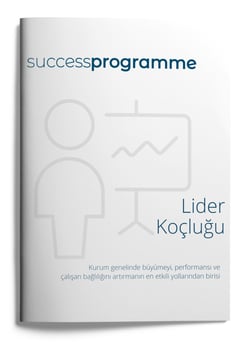
Leader Coaching Brochure
The critical point here is that the results of all 360-degree feedback should be provided to managers with some coaching. Having the manager review the 360-degree feedback results with an experienced coach makes it easier for them to digest the information, prioritize areas for improvement and create an action plan. All this can now be done virtually and at minimal cost. 360-degree feedback can be a very positive experience, especially for promising, high-potential leaders. In this case, the assessment and action plan focus on the future.
The process thus becomes a development exercise in its entirety. To feed development discussions and goal setting, 360-degree feedback assessments can also be supplemented with psychometric assessments that measure motivations, personality traits, emotional intelligence, critical thinking and conflict styles. These programs create excitement and commitment in high-potential leaders, and at the same time enable their organizations to develop the leaders they will inevitably need in the future.
3- Executive Chat Meetings:
In addition to one-on-one performance discussions, goal-setting and planning meetings, manager conversations focus on the manager's daily needs, his/her and the team's current situation and thoughts, and these meetings play an important role in manager development. To help their managers develop, organizations can ensure that they have these regular meetings with the managers working under them. They can also contribute to development by providing managers with tools, principles and guidance for productive conversations with their staff.
The manager chat meeting is a tactical conversation about current work, obstacles and general mental and emotional stress. Most managers already have one-on-one meetings with their employees. How these meetings are conducted and their content may vary from manager to manager within the organization. To improve the quality and consistency of these meetings, it is essential that organizations provide instructions on how often they should be held, how long they should last and what should be discussed. Many managers do this intuitively, without relying on expectations set by the organization. An important part of leadership development is teaching managers to have these productive conversations with their employees.

This is even more important when it comes to leaders having conversations with leaders. Senior leaders model for their subordinates how to organize effective meetings. In these meetings, senior leaders should understand the goals, motivation and enthusiasm of the managers below them and help them to achieve these goals.
These one-to-one feedback conversations and development gradually spread throughout the organization. Structuring these conversations and providing the necessary tools is important so that managers know what to talk about in these meetings and employees know what to expect from them.
Growing companies all see leadership development as a vital part of their future planning. While such things are often put on hold during extreme global events such as pandemics, as these events unfold over the longer term, there comes a time when organizations need to prioritize 'Development'. There are, of course, many ways to develop remote leaders. The above are a couple of relatively low-cost ideas. Investing time and resources now will help keep leaders engaged in the short term. In the long term, it helps you prepare for the growth and sustainability of your organization.
What are your thoughts on leadership needs and development in such a period? Please share your views with us in the form below.
Other Blogs You May Be Interested In:
What is Virtual Lunch & Learn?
Chaos in Remote Work, How Do I Organize Things to Do?
5 Ways to Motivate Remote Workers
How to Lead a Company through the COVID-19 Crisis
How to Manage Remote Teams?
Related Articles

-2.png)