






 Chat
Chat


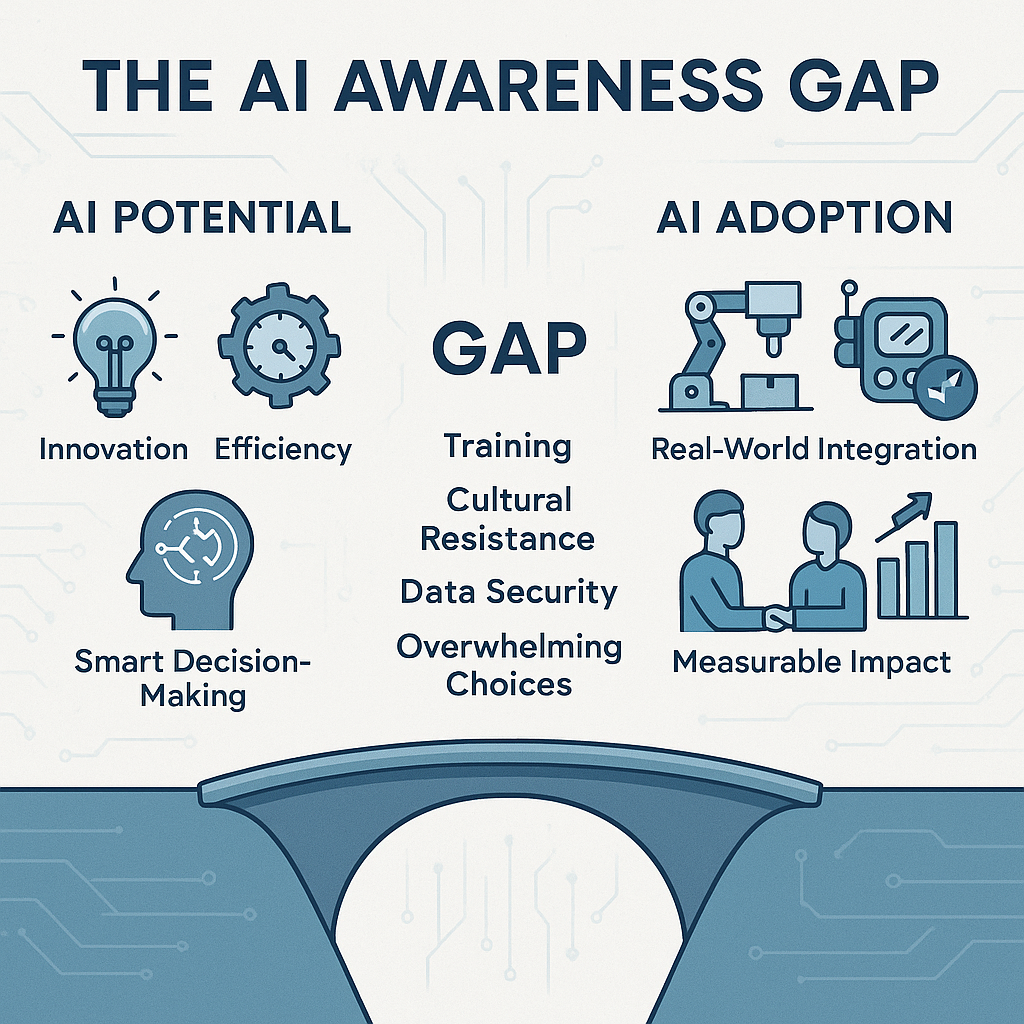
AI promises significant results, including faster decision making, improved customer experiences and operational efficiency. Many organizations have successfully tested AI in pilot projects, achieving impressive results in isolated use cases. But progress often slows when it comes to deploying these solutions at enterprise scale. The technology may be ready, but the systems, processes and people often are not. Understanding scalability challenges and addressing them systematically is critical to turning AI pilots into lasting business value.
Scaling AI is Harder than Developing it
Starting an AI pilot is one thing; rolling it out across an organization is another. Scaling challenges can be broadly grouped into three categories:
- Technical Constraints
AI models trained on limited data may perform well in pilot environments, but struggle when faced with larger and complex data sets. Infrastructure limitations such as server capacity or legacy software can hinder performance. Without a robust architecture, scaling can negatively impact speed and accuracy. - Data Management Issues
Successful AI relies on clean, consistent and accessible data. In reality, data often resides in different departments or siloed systems and can be difficult to consolidate. Inconsistent formats or missing records can disrupt AI workflows as they scale beyond a single team or function. - Organizational Preparation
Even the most advanced AI fails without user adoption. Teams may resist changes, lack training or misinterpret insights. Scaling requires aligning stakeholders, defining clear workflows and integrating AI into daily processes.
Real World Lessons from Scaled AI Applications
A global retailer piloted its AI-powered recommendation engine in a single region. The pilot increased conversion rates by 15 percent. When it tried to move to a global rollout, the model struggled to account for regional product preferences and cultural differences. To succeed, the company redesigned the system to handle variable data sets, built local teams for adaptation, and implemented robust feedback loops. Within six months, the AI system delivered consistent performance across all markets.
Similarly, a financial services firm used AI to detect fraud. Scaling required data integration from multiple legacy systems, harmonization across different jurisdictions, and staff training. With structured governance and cross-functional collaboration, the firm has expanded AI to multiple regions while maintaining accuracy and regulatory compliance.
Practical Strategies for Scaling AI
To overcome scalability challenges, organizations need to focus on three key areas: technology, data and people.
1. Design for Scalability from the Start
- Modular Architecture: Build AI systems as components that can be updated or replaced independently without disrupting the entire workflow.
- Cloud Infrastructure: Use cloud platforms to manage compute intensity spikes and ensure global availability.
- API and Integration: Use APIs to connect AI models with existing enterprise systems and reduce friction during deployment.
2. Prioritize Data Readiness
- Centralized Data Platforms: Consolidate data in a single repository with standard formats.
- Continuous Auditing: Regularly check for bias, missing data or errors that can impair model performance.
- Governance Policies: Define ownership, access and quality standards to ensure data reliability.
3. Involve Teams and Encourage Adoption
- Early Engagement: Involve business users in the pilot design to ensure AI aligns with real workflows.
- Targeted Training: Offer hands-on training and scenario-based exercises that reflect daily tasks.
- Feedback Loops: Allow teams to report issues and suggest improvements.
4. Implement Robust Monitoring and Governance
- Performance Metrics: Track adoption rates, accuracy, transaction speed and ROI.
- Ethical Oversight: Ensure AI models operate fairly, transparently and in compliance with regulations.
- Iterative Improvement: Treat AI as a living system that evolves with business needs and market conditions.
Incremental Scaling: A Step-by-Step Approach
Most successful organizations scale AI gradually rather than in one big rollout:
- Pilot: Start with a high-value, low-risk use case. Test model performance, adoption and workflow integration.
- Expansion: Spread across multiple teams or regions while improving data and operational processes.
- Enterprise Integration: Fully integrate AI into core business systems and processes. Align KPIs, incentives and governance frameworks.
This approach reduces risk, accelerates learning and builds trust among stakeholders.
The Human Factor in AI Scaling
Technology alone does not guarantee success. The ability of people to use AI effectively is central to scaling:
- Change Management: Communicate clearly about the role of AI and its impact on workflows.
- Psychological Safety: Encourage experimentation without fear of mistakes or sanctions.
- Cross-Functional Collaboration: Break silos and share knowledge by aligning IT, operations, data teams and business leaders.
Without addressing the human dimension, even the most sophisticated AI models risk underutilization or misinterpretation.
Measuring Success Beyond the Model
Successful scaling is not only about technical performance. Metrics should include:
- Adoption: Percentage of teams actively using the AI system.
- Business Impact: Achieved revenue growth, cost savings or operational efficiency.
- User Satisfaction: Confidence in AI recommendations and integration into workflows.
- Sustainability: Ease of maintaining, updating and extending AI capabilities.
Regularly reviewing these metrics ensures that AI continues to generate value as the organization evolves.
Key Takeaways
- Scalability is not just about technology. It also involves data, infrastructure and human factors.
- Plan for enterprise integration. Modular design, cloud infrastructure and APIs reduce deployment friction.
- Prioritize data quality and governance. Reliable and accessible data is the foundation for successful scaling.
- Engage teams early and continuously. Adoption, training and feedback loops ensure long-term success.
- Iterative deployment reduces risk. Gradual scaling ensures reliability, performance and organizational fit.
Final Thoughts
AI has the potential to redefine business outcomes, but this potential is only realized when solutions scale effectively. By combining technical readiness with strong governance, data integrity and human-centric adoption strategies, organizations can turn isolated AI pilots into enterprise-scale innovation engines. Successful companies will not just have advanced algorithms; they will align people, processes and systems to scale AI.
Call to Action
Is your organization ready to scale AI beyond pilot projects? Assess your data infrastructure, design for modular deployment and invest in team readiness. Share your experiences in the comments and subscribe to our newsletter on practical strategies to turn AI potential into organizational impact.