






 Chat
Chat

How to Design AI Training Programs that Deliver Real Value?
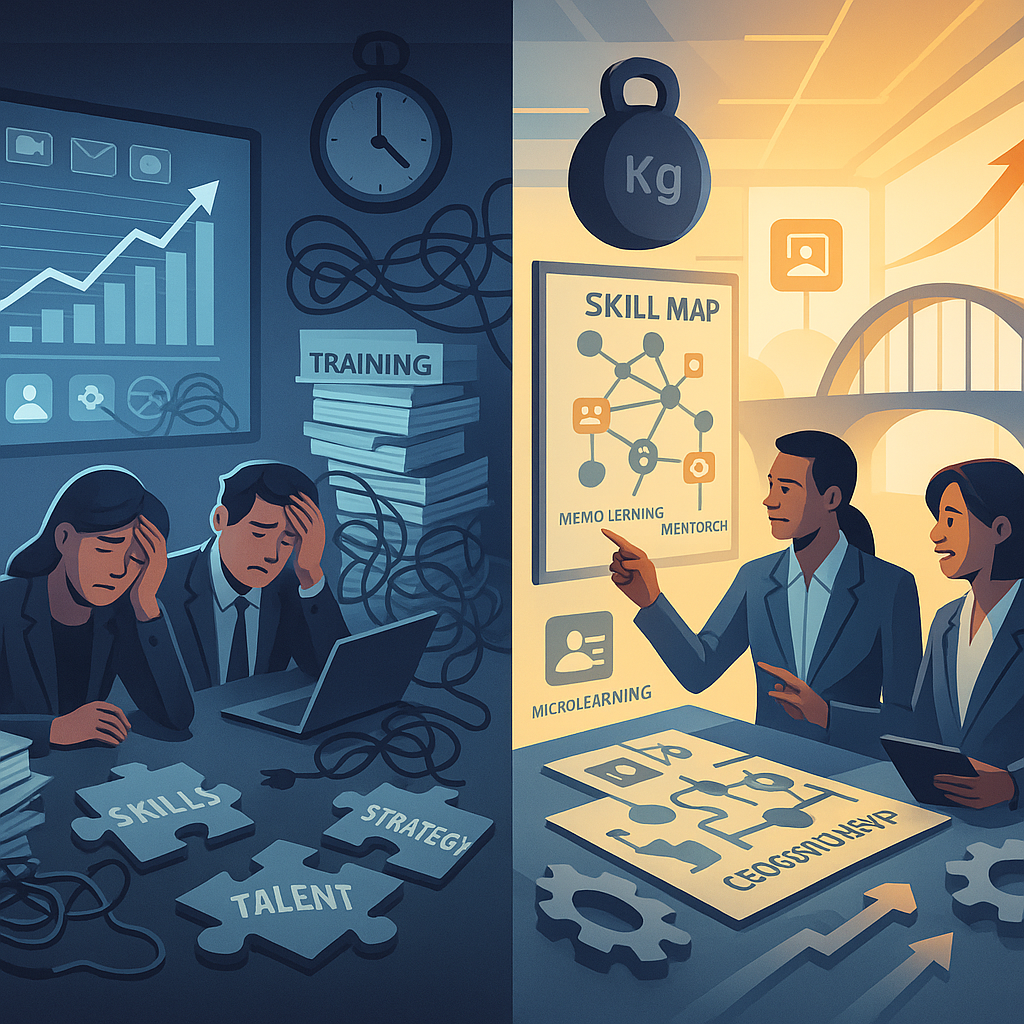
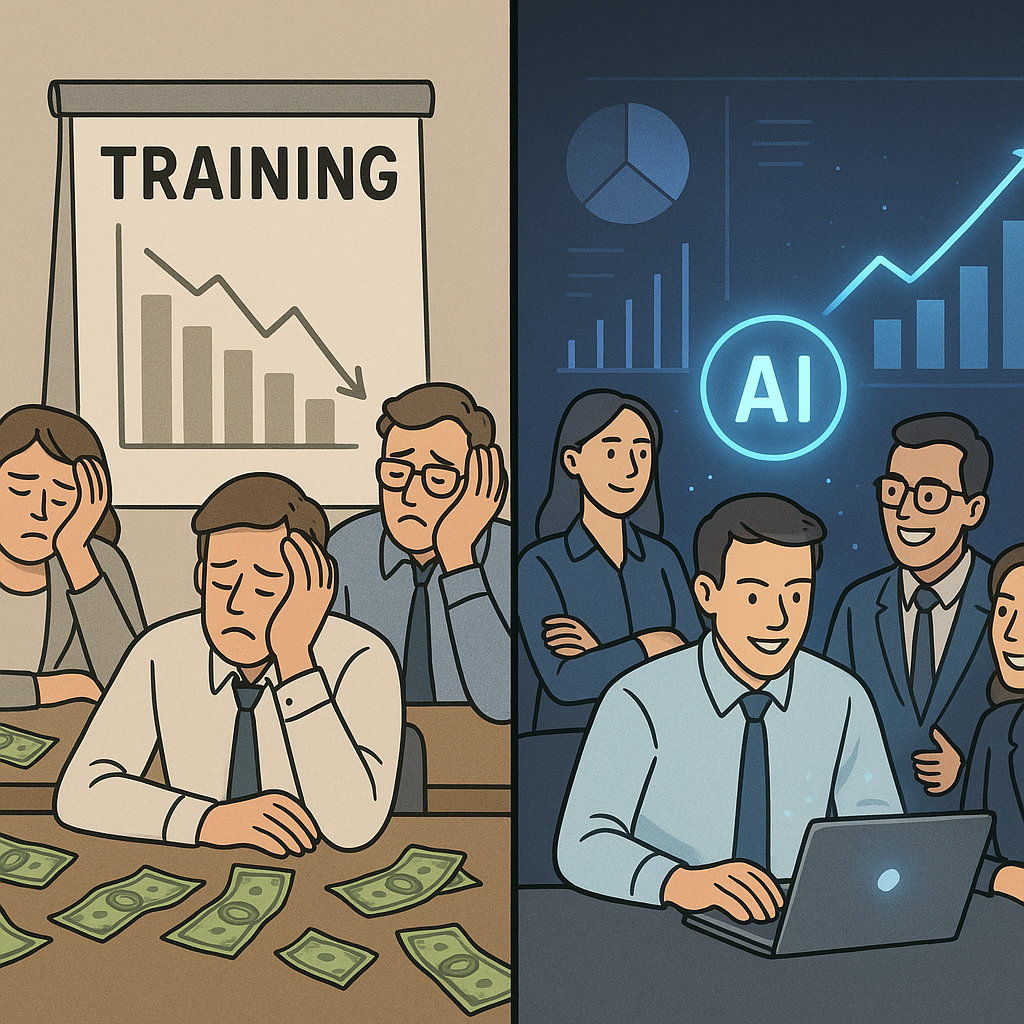
Artificial intelligence promises transformative results for organizations. But many AI training investments fail to deliver tangible value. Companies spend millions on workshops, online courses, and vendor-led sessions, but adoption and retention rates remain low and employees struggle to apply new skills. This is not a technology failure - more often than not, it's about AI training programs not being designed with results in mind.
In this article, we will discuss why low-value AI training occurs, the risks of misguided learning initiatives, and actionable strategies to ensure that your AI training efforts make measurable impact.
The Cost of Low Value AI Training
Organizations often confuse activity with effectiveness. Completion rates, attendance numbers or hours spent in training sessions are often presented as evidence of success - but these are rarely associated with meaningful skill acquisition.
The statistics show the difference:
- Research reveals that after standard corporate training, less than 20 percent of employees successfully apply new technical skills in their daily work.
- A Deloitte survey reported that organizations with poorly designed AI training programs have lower project adoption rates and lower ROI from AI initiatives.
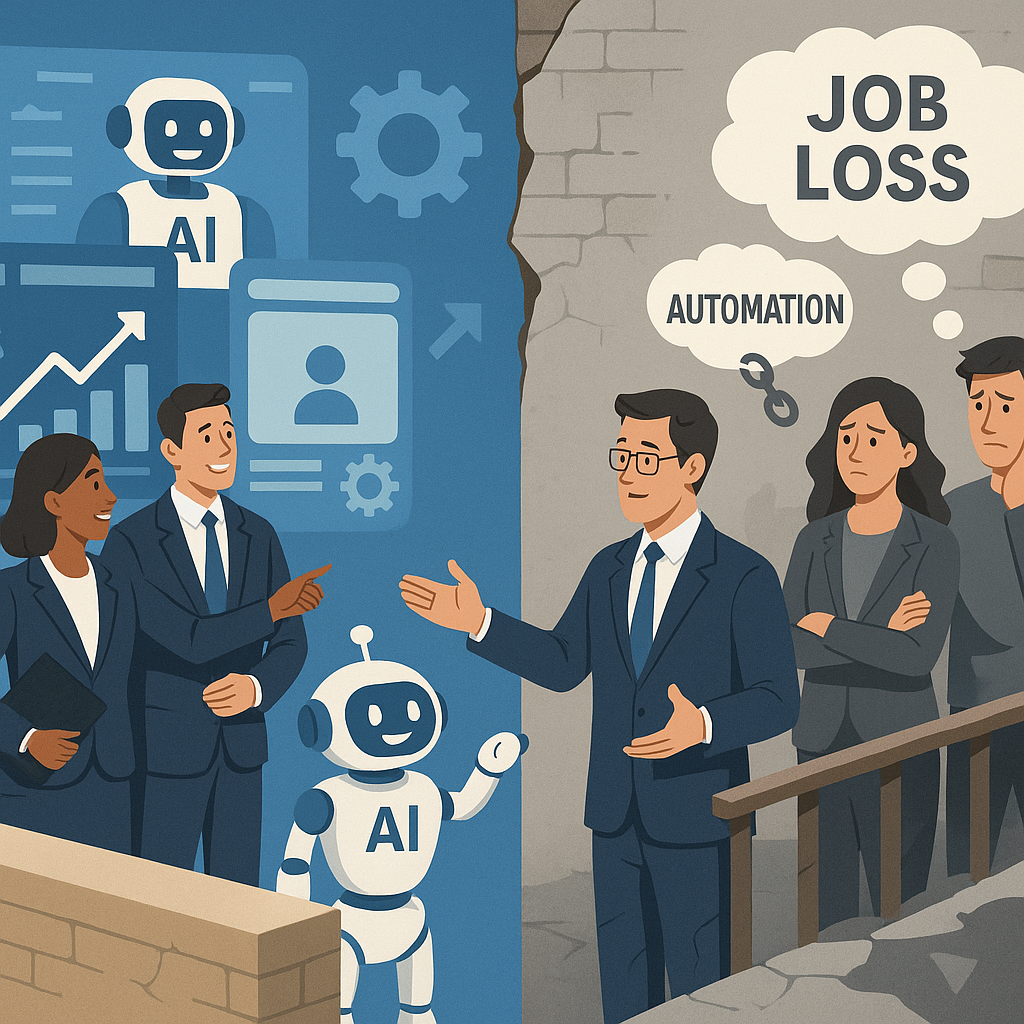
The consequences of low-value training include wasted resources, frustration in teams, and increased skepticism about the importance of AI. Even the most advanced tools cannot be effective when employees perceive training as irrelevant or disconnected from their tasks.
Why Misguided Learning Happens
Several factors contribute to ineffective AI training programs:
Generic, Relevant Content
Many training modules focus on broad AI concepts, teaching theory rather than practical applications. Employees may learn the theory of neural networks or machine learning, but may struggle to see how these concepts apply to their role.
Lack of Context and Use Cases
Without context, employees cannot relate what they learn to real business problems. Trainings that are not integrated with company data, processes or tools cannot combine theory with practice.
Short Duration, One-Time Sessions
Learning is most effective when reinforced over time. One-off workshops or online trainings rarely lead to lasting behavior change.
Poor Managerial Support
Managers play a critical role in reinforcing new skills. When leadership does not actively encourage implementation, employees often revert to their usual workflow.
Inadequate Measurement
Many organizations track engagement and do not measure results-oriented metrics such as decision-making, productivity or project success.
Non-existent Promotion Efforts
Although organizations know that almost all of what is learned is forgotten within 90 days after trainings, they are not as interested in promotion technologies and content as trainings and do not offer these activities to their employees as an addition.
Designing High Impact AI Training Programs
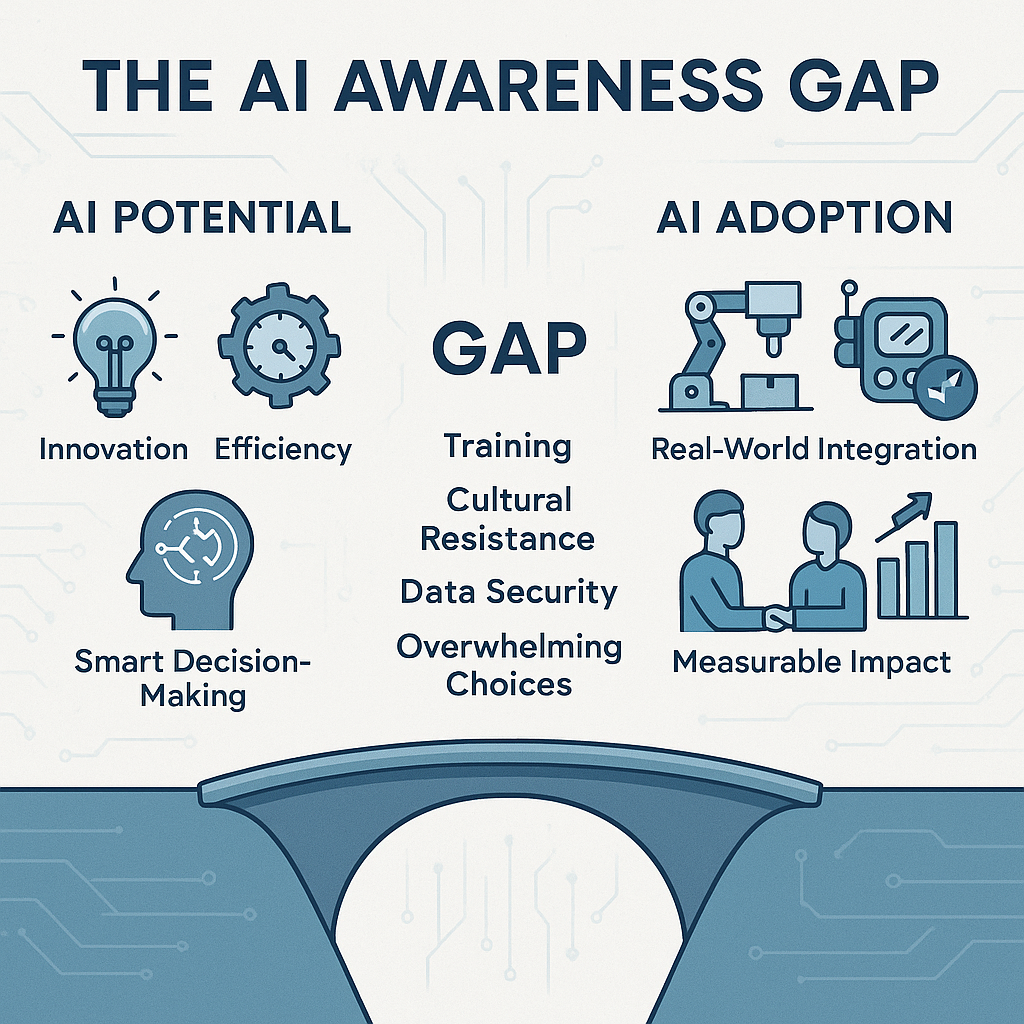
To move beyond low-value training, organizations need to focus on practical application, relevance and reinforcement. Here's how
1. Align Training with Roles and Goals
Tailor the content to the tasks, responsibilities and goals of each team. For example:
- Marketing teams can leverage AI-powered analytics for customer segmentation.
- Operations teams might focus on predictive maintenance or process automation.
A clear alignment enables employees to immediately apply what they have learned and bridges the gap between theory and practice.
2. Integrate Real World Scenarios
Use company data, workflows and tools in training exercises. Simulations, project-based learning and hands-on laboratories enable abstract concepts to be translated into actionable skills.
3. Adopt Iterative Learning Models
Instead of one-off sessions, create a learning journey with progressive modules, checkpoints and practice opportunities. Microlearning, peer coaching and continuous feedback loops reinforce skills over time.
4. Involve Leadership
Managers should actively support and model AI implementation. It is encouraging for leaders to set expectations for AI adoption, provide guidance and recognize successful application of new skills.
5. Measure Results, Not Participation
Focus on KPIs that reflect real business impact:
- Percentage of employees applying AI in their daily workflow
- Improvement in productivity or decision-making metrics
- Contribution of AI-powered insights to project outcomes
Tracking results ensures that training investments translate into measurable organizational value.
Case Study: Turning AI Training into Measurable Results
A mid-sized retail company faced low adoption of AI tools for inventory management. Employees attended many supplier-led sessions, but rarely applied insights in daily operations.
The company restructured its training program as follows:
- Tailoring modules to specific store and regional operations
- Using historical sales and inventory data in workshops
- Implement microlearning sessions with weekly checkpoints
- Encouraging store managers to review AI-powered recommendations with employees
Within six months, employees were actively using AI tools, stock-outs were reduced by 15% and operational efficiency measurably improved. The shift from general sessions to practical, role-specific learning enabled the company to realize real value from its AI investment.
Practical Tips for Leaders
- Start with Needs Analysis: Identify skills gaps, business objectives and high-value AI use cases before designing training.
- Prioritize Hands-on Learning: Focus on exercises and simulations instead of abstract theory.
- Continuous Reinforcement: Reinforce knowledge through follow-up sessions, internal workshops and peer learning.
- Leverage Internal Champions: Identify early adopters; mentor peers to demonstrate practical AI applications.
- Evaluate and Iterate: Continuously measure results and adapt the learning program for maximum impact.
Conclusion: You Can't Make AI a Strategic Tool in Your Company with the Wrong Choice of Training
AI training is not just a necessity - it is a critical tool for organizational success. Low-value or poorly targeted training leads to wasted resources and low adoption. Structured, role-specific and results-driven learning can accelerate AI integration and maximize ROI.
Organizations
- Aligns AI training to real-world roles
- Supports skill reinforcement through iterative, hands-on learning
- Engages leadership for implementation and support
- Measures outcomes rather than participation
can realize the full potential of AI. By turning training into a strategic initiative, companies can empower their employees, increase meaningful adoption and achieve measurable business impact.