






 Chat
Chat


Artificial intelligence is no longer a futuristic concept but a cornerstone of business strategy. Organizations are using AI to predict trends, automate decisions, and gain insights at a scale that was not previously possible. However, one challenge remains that limits the full potential of AI: trust. Even the most sophisticated AI systems fail when employees and managers do not trust the recommendations.
Trust in AI is not optional; it is essential for adoption, consistent use and measurable business impact. In this blog, we'll discuss how organizations can increase trust in AI decision-making, overcome skepticism, and turn insights into action with confidence.
Why Trust Matters in AI
AI can process massive data sets and uncover patterns that humans cannot see. But without trust:
- Teams may ignore or override AI recommendations.
- Adoption slows and ROI is limited.
- Decisions are made based on instinct and valuable insights are not utilized.
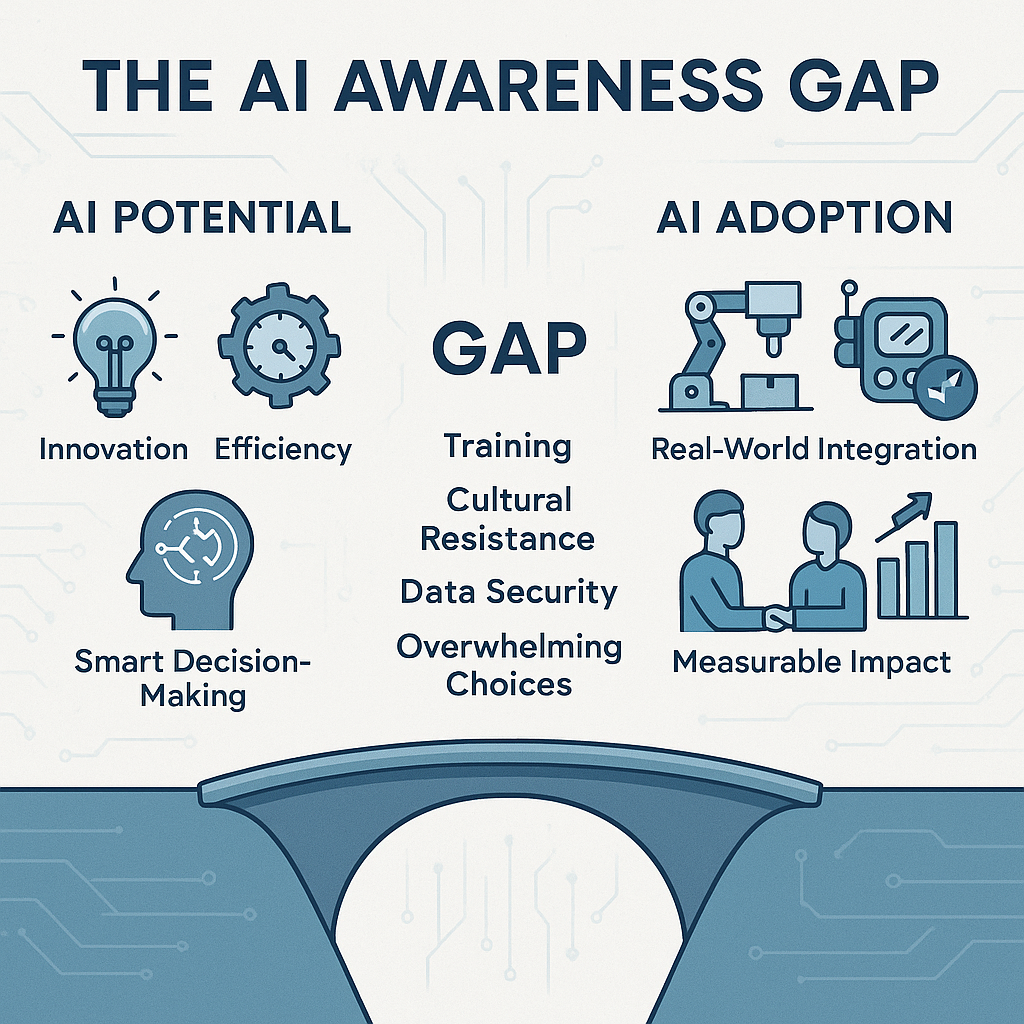
Trust is the bridge between AI's capabilities and business outcomes. When employees trust AI, they consistently implement recommendations, responsibly test assumptions, and optimize performance.
Understanding Skepticism
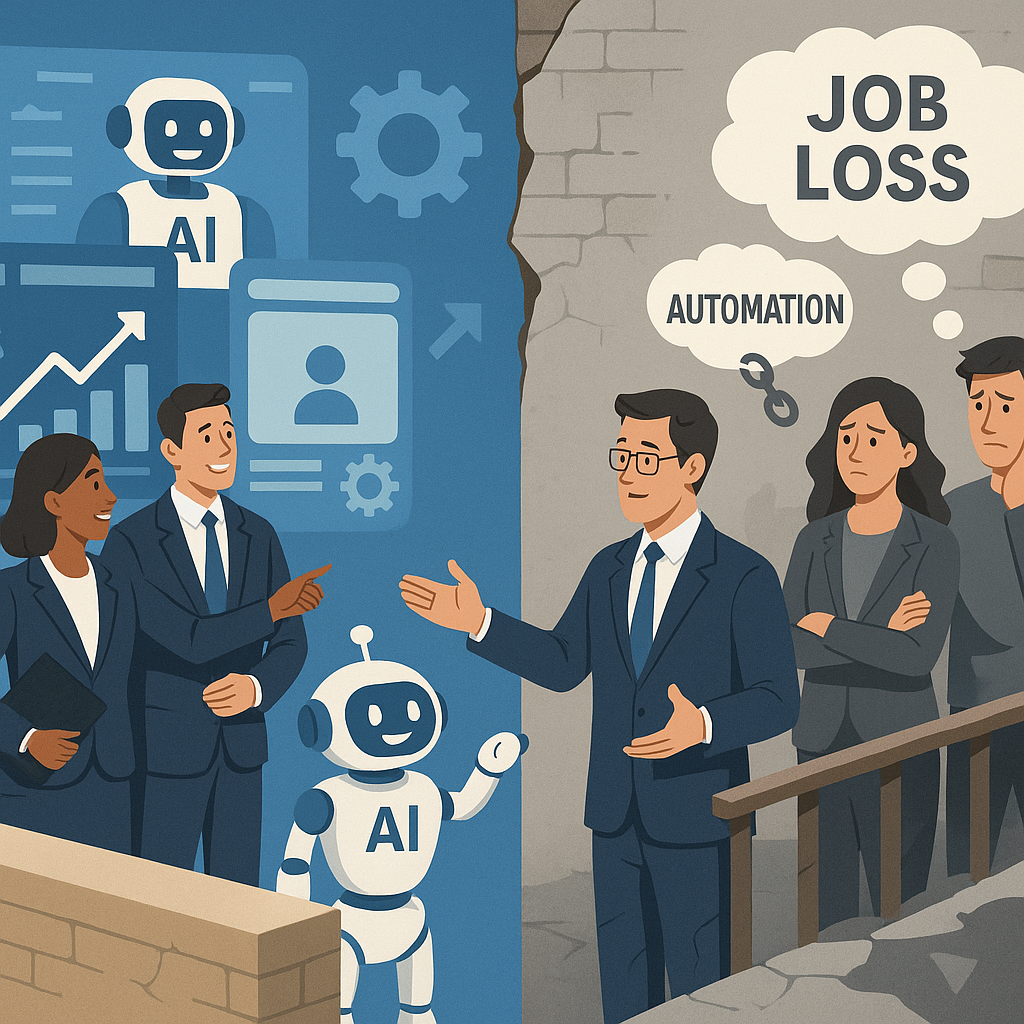
It is important to recognize that skepticism towards AI is natural. Some common sources are:
Lack of Transparency
Many AI models are perceived as "black boxes"; users have difficulty understanding how results are generated. Even the right recommendations seem arbitrary in the absence of clarity.
Data Quality Concerns
Decision-making is only as reliable as the data that fuels AI. Incomplete, outdated or biased data sets reduce trust.
Mismatch with Business Context
AI recommendations may not always align with existing priorities or operational realities. If the outputs seem irrelevant, users may hesitate to take action.
Fear of Responsibility
Employees may not trust AI if they feel responsible for mistakes. Without clear guidance, trust is weakened.
Lessons from Organizations Building Trust
A global retail company offers a practical example. After piloting an AI-powered stock optimization tool, executives were initially resistant. They felt that relying on AI would undermine their own expertise.
The company solved this situation with the following steps:
- Providing transparency: Managers saw how AI assessed sales trends and local preferences.
- Alignment with workflows: Recommendations were integrated into dashboards for easy review and approval.
- Creating feedback channels: Managers were able to flag inconsistencies, which led to model improvements.
Within six months, adoption increased, stock shortages decreased, and managers gained confidence in AI-powered decisions. Transparency and alignment have made AI a trusted partner instead of a mysterious tool.
Strategies to Build Trust in Decision Making
Building trust is a continuous process. Organizations can focus on the following strategies:
1. Explainable Artificial Intelligence
- Clearly present the rationale behind AI recommendations.
- Make the outcomes understandable with visualizations and narratives.
- Ensure that stakeholders understand the rationale for the proposed actions.
2. Validate Data and Processes
- Conduct regular audits for quality and accuracy.
- Demonstrate that recommendations are based on complete and relevant data sets.
- Document workflows for traceability.
3. Start Small and Show Results
- Start with low-risk, high-value use cases.
- Build trust by emphasizing measurable improvements.
- Strengthen adoption by sharing internal success stories.
4. Foster Human-AI Collaboration
- Position AI as a tool that supports human judgment.
- Encourage teams to review deliverables and give feedback.
- Clarify decision responsibility and accountability.
5. Continuous Training and Development
- Deliver scenario-based, hands-on sessions tailored to real workflows.
- Emphasize output interpretation, anomaly detection and ethical use.
- Keep teams informed about improvements and updates.
The Role of Leadership
Trust in AI grows when leaders actively demonstrate trust:
- Use AI insights in decision-making and demonstrate results.
- Clearly communicate benefits, limitations and expectations.
- Celebrate early successes and reinforce a culture of learning by embracing challenges.
Measuring Trust in Artificial Intelligence
Trust is an abstract concept, but it can be monitored:
- Adoption metrics: Are teams using AI regularly?
- Decision outcomes: Do recommendations improve key metrics?
- Employee feedback: Do users trust the outputs?
- Participation in feedback loops: Do teams actively contribute to improving AI outputs?
Regular review of these metrics helps to effectively tune training, communication and AI models.
The Human Factor Matters
Technology alone does not guarantee success. Human elements are critical:
- Change Management: Clearly communicate the role and impact of AI.
- Psychological Safety: Encourage experimentation without fear of mistakes.
- Cross-Functional Collaboration: Ensure knowledge sharing by aligning IT, operations, data teams and business leaders.
Neglecting the human dimension increases the risk of underutilization, misinterpretation and lost ROI.
Key Takeaways
- Trust is vital for turning AI insights into action.
- Skepticism often stems from lack of transparency, data issues, non-compliance or liability concerns.
- Explainable AI, small pilot programs, human-AI collaboration and leadership support increase trust.
- Tracking adoption, results and feedback ensures continuous improvement.
- Seeing employees as partners turns hesitation into strategic advantage.
AI can transform decision-making, but its potential is only realized when people trust it. Organizations that combine transparent models, strong data practices, human-centric workflows and leadership engagement can transform AI from just a promising tool to a trusted partner. Success is not measured by the complexity of algorithms, but by the trust and adoption of teams.
Is your organization building trust in AI-enabled decisions? Start by auditing data quality, implementing explainable models and involving teams early on. Share your experiences in the comments and subscribe to our newsletter for strategies to make decisions with AI with confidence.