







 Chat
Chat

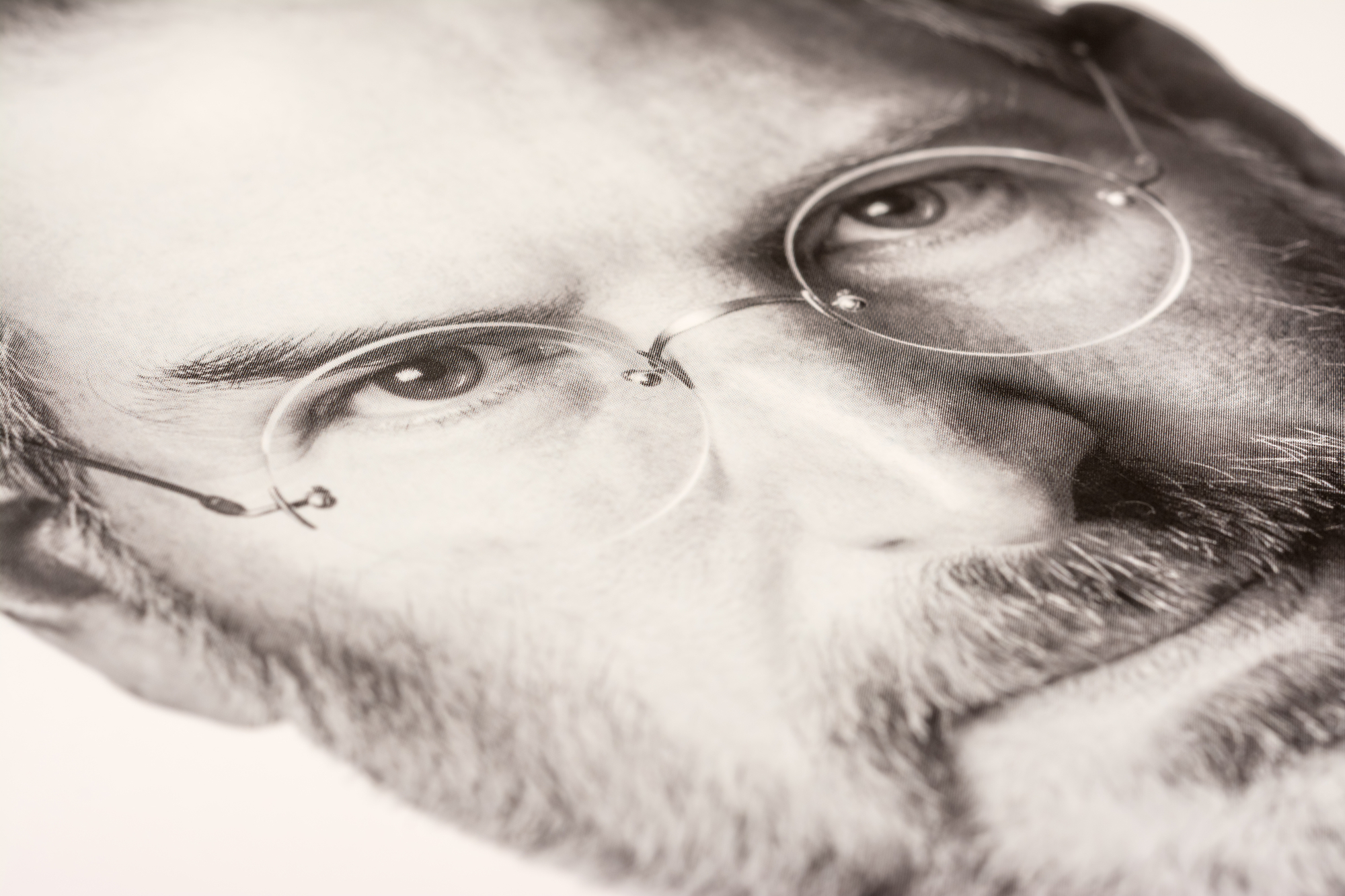
A scene in the 2008 animated movie Kung Fu Pandareminds me of Steve Jobs. Most experts compare Steve Jobs to either geniuses or narcissists.
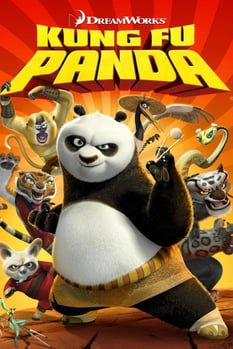 I will compare him to the fat panda named Po in the movie, in which Tigre, the Kung Fu master, tells Po what qualities a savior named "Dragon Warrior" should have in order to save people. Meanwhile, Po has already been chosen as the Dragon Warrior by the wise turtle, but no one believes that the fat panda can be the Dragon Warrior. The conversation between Tigre and Po the panda goes like this:
Tigre: "Legend has it that the Dragon Warrior can live for months on the dew of the ginko tree and the energy of the universe."
Po: "I don't think my body knows yet that I am the Dragon Warrior. I need more than dew and the water of the universe." :)
What is the connection between Steve Jobs and this scene, you might ask? Well, after his death, Steve Jobs became the Dragon Warrior of the business world. With just apples and the energy of the yogic mind, he created a company that can live for years, generating billions of dollars in revenue.
There are a lot of explanations around about Steve's success. Many of them are not trivial and need to be studied in depth. Let me add one more reason to this long list. In my opinion: Steve's success was not mysterious, it was simple, rational and practical. After he took over the company for the second time, he changed Apple's contract. Which contract? Apple's Psychological contract. So Apple has changed the silent three-way contract between Apple, Apple employees and Apple customers.
According to our research, a key factor in an organization's success is whether leaders take the time to create and nurture this vital silent and unwritten contract. Sometimes leaders are not even aware that they have an employee engagement contract, let alone understand the importance of such an agreement. Good leaders, however, take the time to create, mature and carefully define employee engagement agreements. They focus not only on slogans and catchy phrases, but also on culture, value propositions and whether the terms of the contract are fair to all parties. They know that this type of psychological contract is like an iceberg - of course, the compensation for an employee's time and effort on the job is explicit in the agreement (this is the tip of the iceberg, the contract that appears above the water). But the vast majority of the terms of the psychological contract are implicit, unwritten, or, as in the iceberg example, under water. Successful leaders take the time to ensure that implicit, non-obvious terms (psychological contracts) are aligned with the goals the organization wants to achieve.
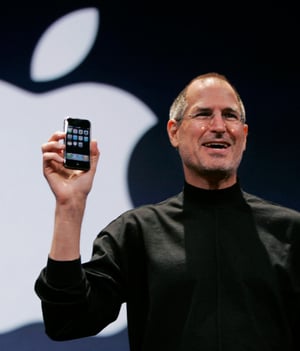 When Steve took over Apple for the second time, it didn't seem like much had changed, but Apple's psychological contract - the employee engagement contract - had changed completely. He introduced a new unwritten contract to help employees find meaning in their work. On the surface, the employees were the same, the company was the same, the sales channels were the same, but under the iceberg, the unwritten contract had completely changed. And the great products that would result were on the way. Steve Job's unyielding personality transformed everything when he walked through the door. Thanks to Steve's defiance of established convention, everyone knew that the ground rules of what it meant to be an Apple employee were now different. The new requirements of the unwritten silent pact were: excellence, dedication, simplicity, love of design, aesthetics, thinking differently, precision and passion for really great products.
Let's go back to the story of Kung Fu Panda and Po. Po saved his village from the psychopathic leopard. Po did this not because he became a great Kung Fu master, but because the people around him believed that he was a Dragon Warrior. Those who have seen the movie know that the "trick" is for Po to first believe that he is the Dragon Warrior who will save the people. From this point of view, I think Steve Jobs really was the Dragon Warrior. He knew he could get Apple out of the mess it was in and he made his employees believe it. Steve used much of his second chance at Apple to redefine the contracts between Apple's employees and its customers. He made his employees believe that they could create the best products in the world, so that customers would have an extraordinary experience that would make Apple what it is today - the most valuable company in the world.
5 TRICKS OF THE EMPLOYEE ENGAGEMENT CONTRACT

Related Articles