







 Chat
Chat

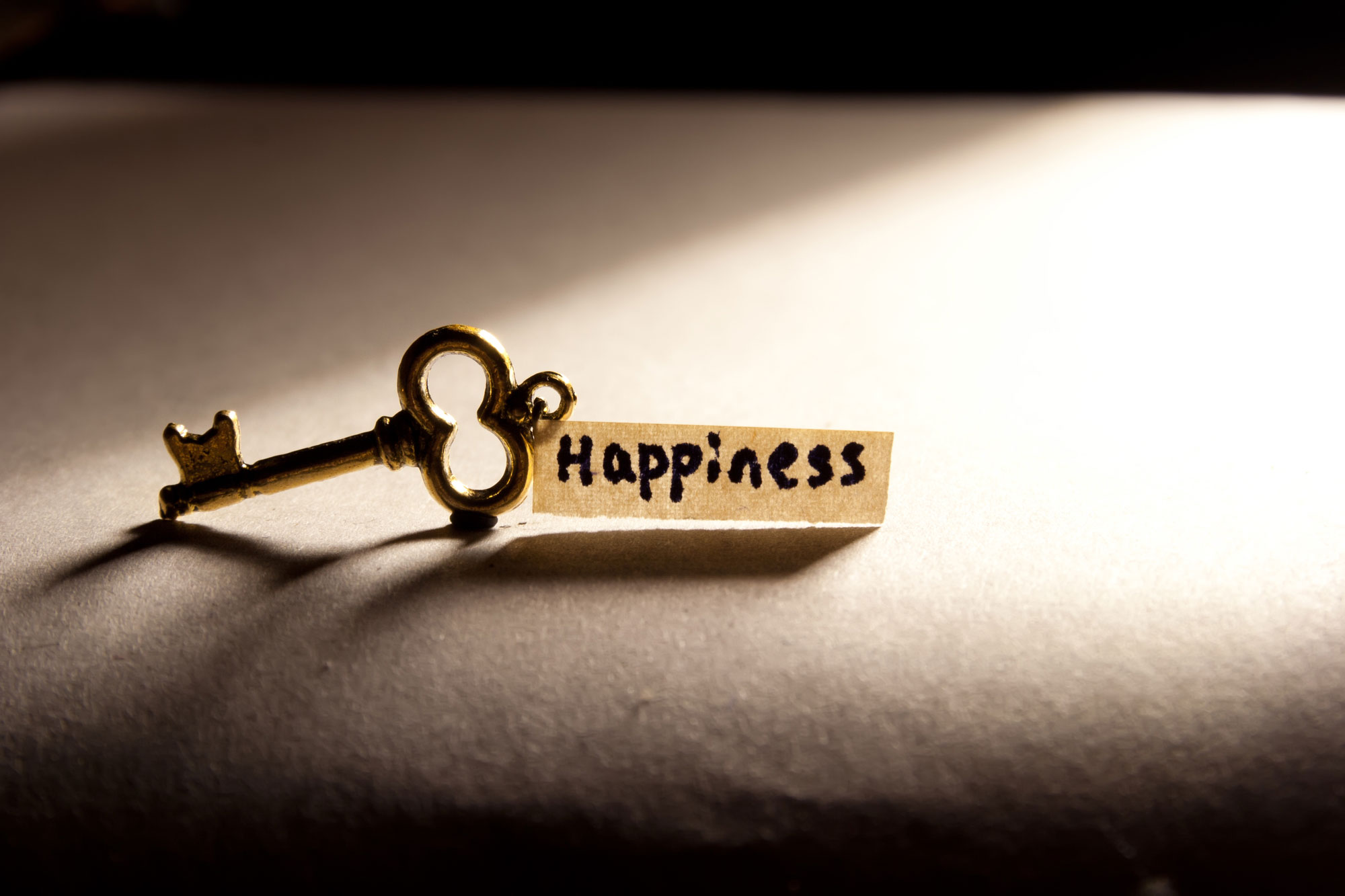
There is a lot of confusion about employee engagement and happiness. But the truth is that Employee Engagement does not = Happiness and here's why.
Excerpted fromMAGIC: The Five Tricks to Employee Engagement .
Thanks to advances in positive psychology, it has become fashionable to study what makes us happy. As a result, we've learned that happiness matters for the workplace: According to research published in the Wall StreetJournal, happy employees are 33 percent more helpful to coworkers and 36 percent more motivated at work than unhappy employees.

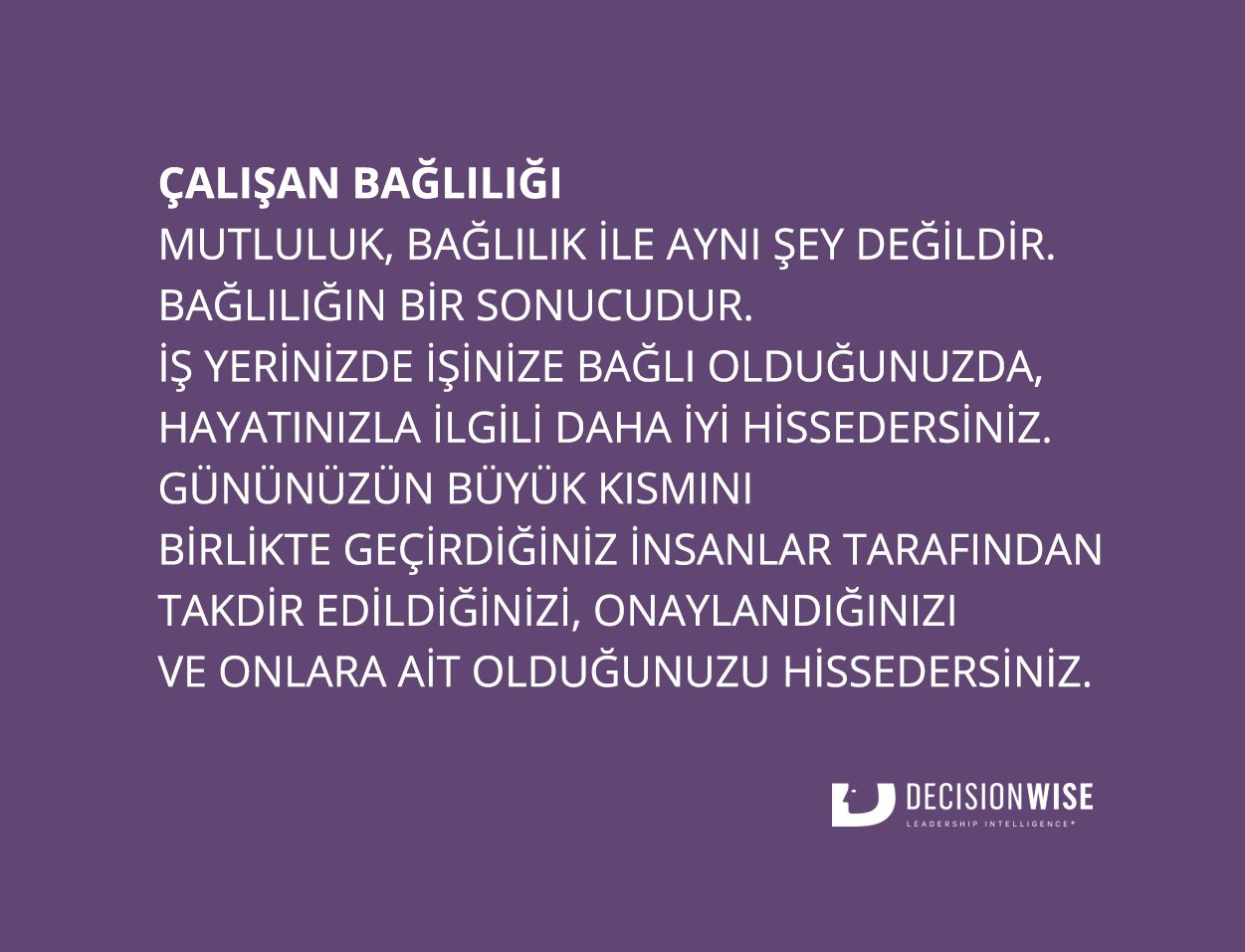
But happiness and engagement are not the same thing, and it is important not to confuse the two concepts. As mentioned above, happiness is a result of engagement. Part of happiness is being engaged at work. We talk to a lot of people about work-life balance and we have learned that true engagement leads to happiness not only at work but also at home. When you are engaged at work, you feel better about your life. You feel appreciated, validated and belonging to the people you spend most of your day with.
We often chase after things that we think will make us happy - money, security, status - only to find that they actually make us unhappy. In fact, happiness may not even be something we should aim for. According to a study from the University of Denver, the more the study participants valued happiness itself, the more disappointment and unhappiness they felt when faced with the slightest stress or setback. "Paradoxically, in situations where happiness is easily attainable, overvaluing happiness may lead people to be less happy," the researchers concluded.
Happiness & Meaning
In a 2013 study published in the Journal of Positive Psychology, researchers at Florida State University, the University of Minnesota and Stanford University dug deeper into the importance of happiness. A survey of 397 adults on happiness and meaning yielded some surprising results:
- The factors that predicted that a person would be happy were different from the factors that predicted that the same person would find meaning.
- Satisfying one's needs and wants increased happiness but was unrelated to meaningfulness.
- Happiness was largely based on the present, but meaningfulness depended on a combination of past, present and future.
- Taking but not giving increased happiness, but giving rather than taking increased meaningfulness.2
The net result of all this is that happiness, while important, is not very connected to meaning. Aid workers laboring in harsh conditions in the Sahara desert in Africa may be temporarily unhappy in the moment because of the heat, mosquitoes and poor hygiene, but these same people can unquestionably see their work as deeply meaningful and bonding.
1 I.B. Mauss, M. Tamir, C. L. Anderson, and N. S. Savino, "Can Seeking Happiness Make People Unhappy? Paradoxical Effects of Valuing Happiness," Emotion 11, no.4 (August 2011):807-15.
2 Roy F. Baumeister, Kathleen D. Vohs, Jennifer L. Aaker, and Emily N. Garbinsky, "Some Key Differences Between Happy Life and a Meaningful Life," Journal of Positive Psychology 8, no. 6 (2013): 505-16.
.png?width=600&name=CTA-magic%20(1).png)
Related Articles