







 Chat
Chat


The first reason is obvious: A good trainer cannot ignore the digital aspect of their job, period.
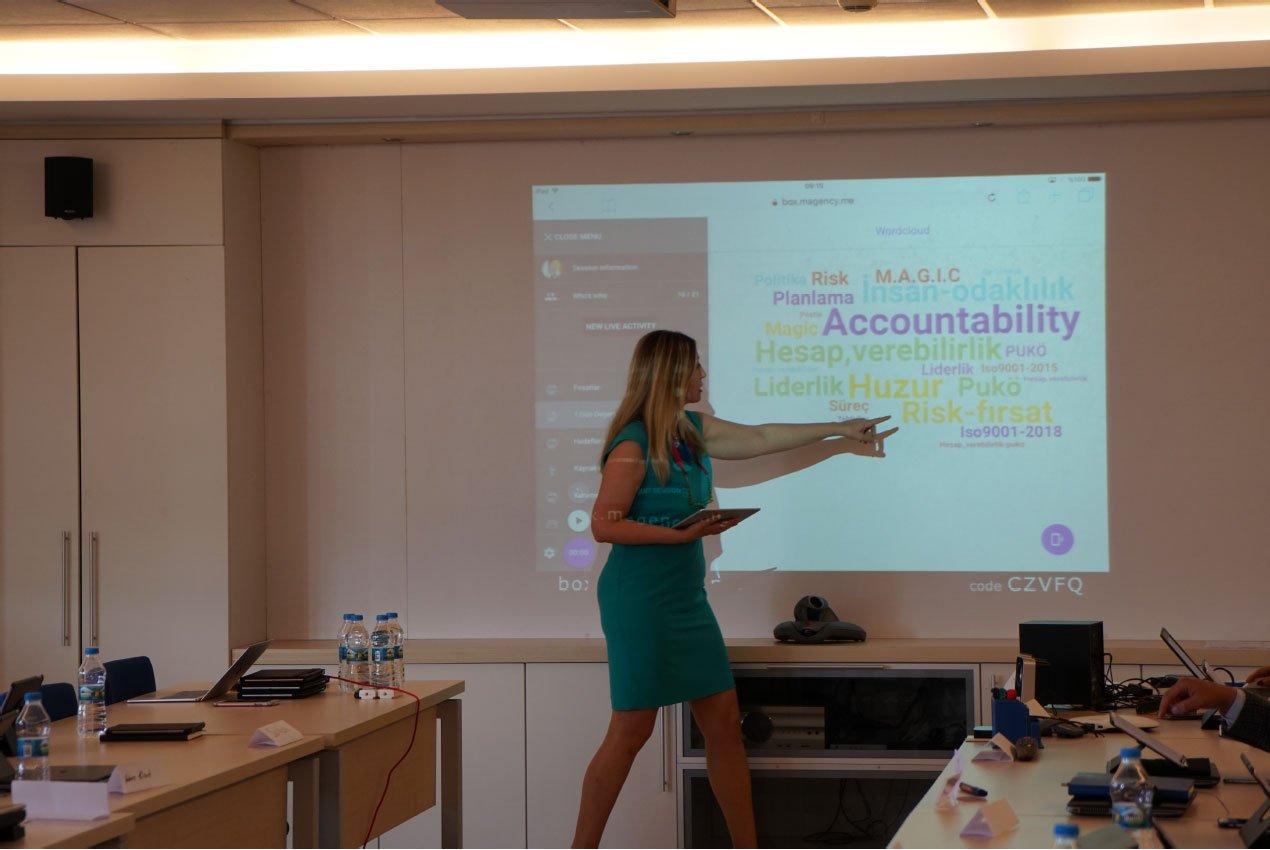
We live in an age where many jobs are constantly being reinvented and reshaped, where everything is interconnected. For a whole generation of professional trainers, things have changed a lot. People who until recently focused mainly on face-to-face and all-day trainings are now more interested in remote, online blended and short-term trainingswith the impact of COVID-19.
Employees have also changed and are changing. Especially the post-pandemic period has made change mandatory. On the other hand, in 2026, millennials will represent 75% of the active population. So how do you think this and the generations to come will learn? With flipcharts and pens? Don't do it! Today, we need to be able to access training whenever we want, whether it's in the car on the way to work, on the shuttle, on the bus or between meetings in the office.
Therefore, digitizing your trainings is not only the right response to change in the modern world, but also allows you to improve on multiple parameters.
1. Traditional Trainings are Boring. Digitalization Strengthens Participation
Digital education technologies have a specific purpose: To make your trainings more dynamic!
Changing the medium you use brings with it a change in its appearance: If you use digital technologies, the content should be attractive too.
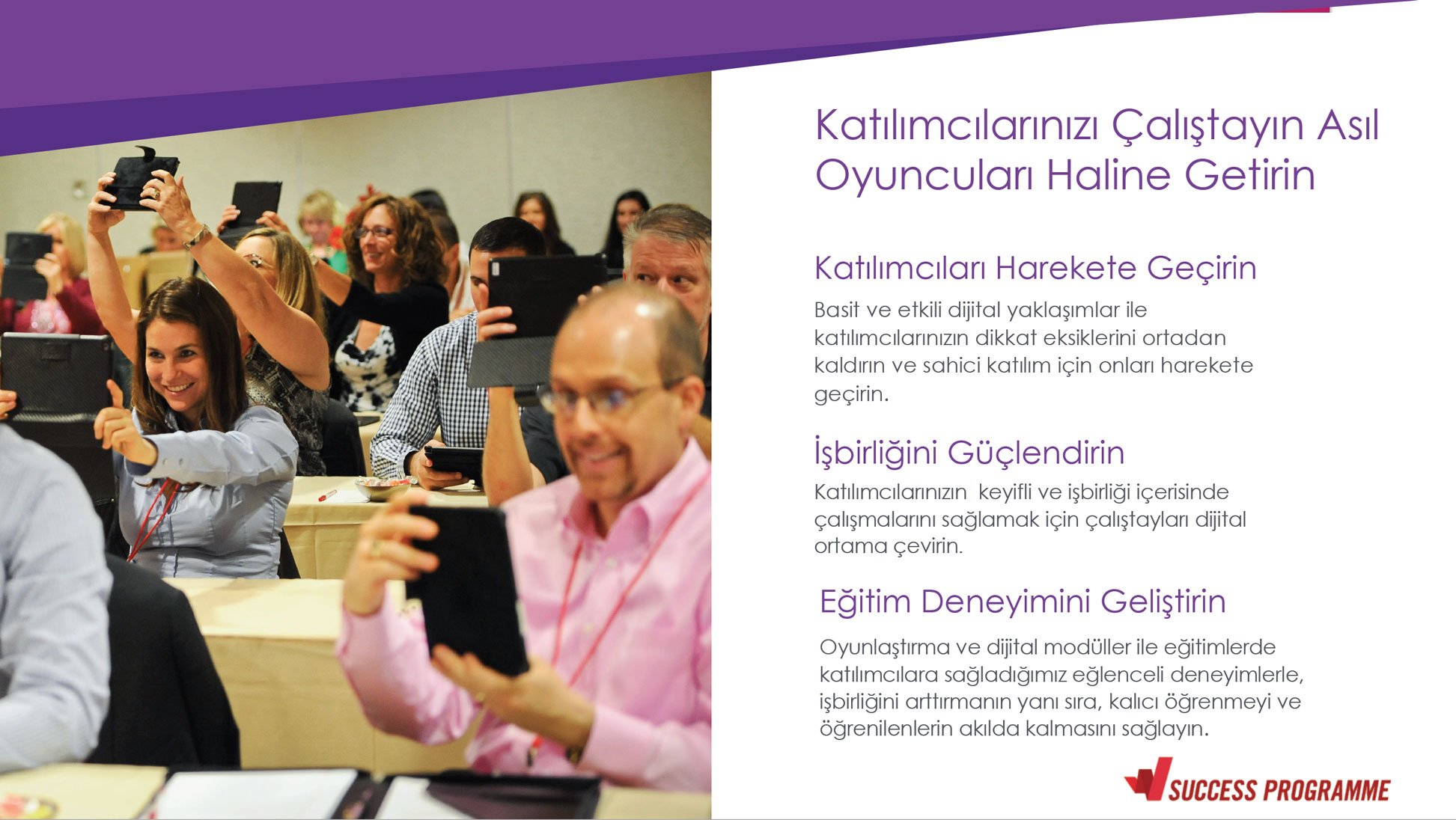
To fully engage participants, try to make your training sessions more entertaining: Digital technologies such as Sparkup allow you to create different scenarios and encourage interaction, which helps participants to retain information by keeping their attention at a high level.
2. Digital Learning Experience and Expectation of Personalization
It's no secret that people learn better when the program is personalized. On the other hand, if you want your trainings to be affordable, they must be suitable for different groups.
Digitalization allows you to bring these two together and create a personalized, adaptable learning program that is tailored to each participant's profile.
For example, with Sparkup digital learning technology, which we use in Success Programme trainings, you can create dozens of different experiences, but the main ones are
- Collecting useful information that allows you to digitally assess the level of your participants instantly,
- Tailoring your training session to your target audience with the data you collect instantly digitally, so that you can identify areas where they struggle,
- Improving the success rate many times over by surprising the reactive people in trainings. Your trainings will become 200% more efficient.
3. The Need for Blended Learning
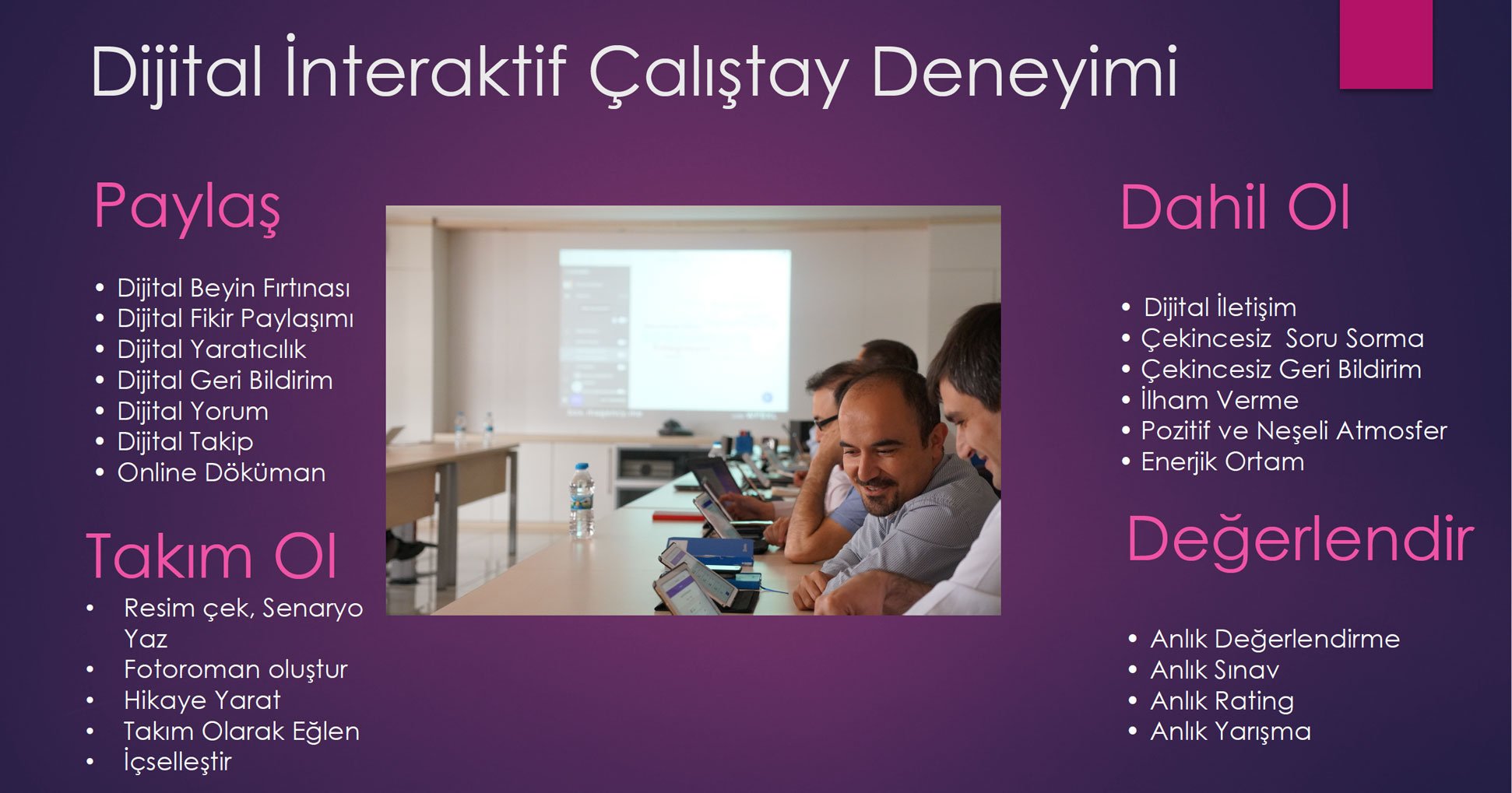
Blended learning is a mix that combines face-to-face and distance learning in an attractive and enjoyable way.
Despite all the advantages of digitalization, 90% of participants who learn in traditional ways complete the training, compared to only 50% for distance learning programs.
The remedy is to blend the two: Blended learning methods allow combining face-to-face and distance learning through MOOCs, learning platforms open to large audiences, and cross-meeting learning applications.
4.Digital Game Era in Education
Gamification is an important tool of digital learning that helps to capture the attention of the target audience.
The game brings change on both sides: "The trainer changes from being a teacher into a performer. He turns into an animator who plays with the information, who throws it away, creates the work and focuses on the game instead of on himself," says professional trainer Aurélie Dieu.
5. The Necessity of Using Data: New Eldorado for Trainers
If we could monetize digitalization, the currency would be called data!
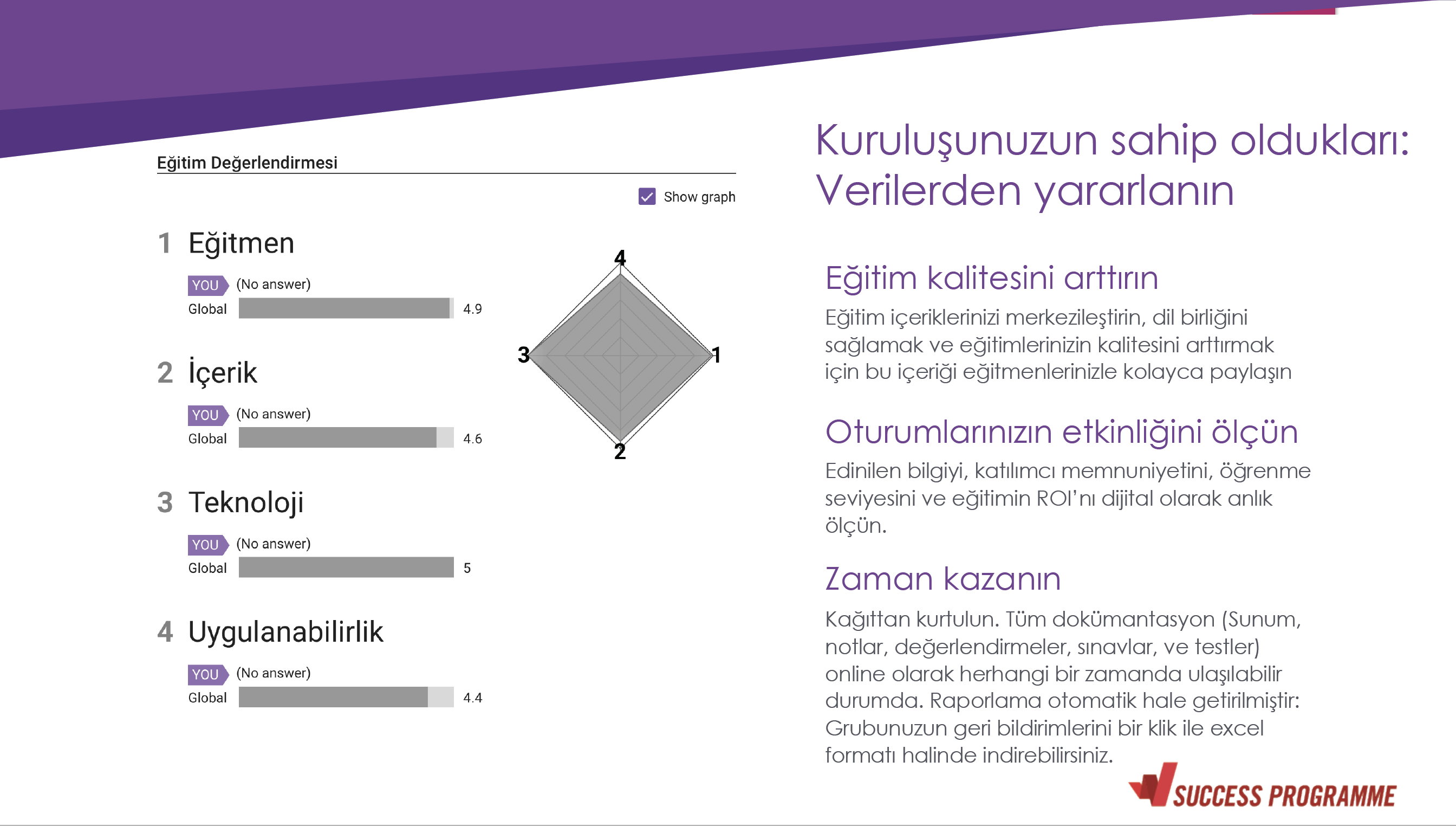
Collecting and analyzing data allows you to measure the pace of learning, the degree of participant satisfaction and the return on your training investment.
Once again, digitalization makes it easier to collect this information thanks to a set of simple digital tools. For example, our product allows you to collect and analyze all the data obtained after the training session, so that the effectiveness of the training can be measured and the training program can be adapted to the needs of the participants.
TO RECEIVE INFORMATION ABOUT DIGITAL TRAININGS, PLEASE SUBMIT THE FORM BELOW
Related Articles



-2.jpeg)