







 Chat
Chat


At Success Programme, we stand one hundred percent behind a well-designed 360-degree feedback program. So it may seem strange that I am writing about the dangers associated with 360-degree feedback.
No process is perfect and the 360-degree process can be seriously inadequate if not handled properly. Multi-rater feedback (360-degree feedback) is a powerful tool in your employee development arsenal and can have serious drawbacks if not implemented correctly. But when these shortcomings are examined and managed, the benefits of a 360-degree feedback program increase and results improve.To summarize, a 360-degree solution gathers information for feedback and evaluation from different sources around the person in question from a 360-degree perspective. This feedback is solicited from the person's manager, coworkers, subordinates and a mixed category of what we call "others" and is combined with the person's self-assessment. Confidentiality is ensured to strengthen the quality of the feedback. Most of the people providing feedback in the 360-degree process (i.e. evaluators) answer standardized questions with a predefined tool.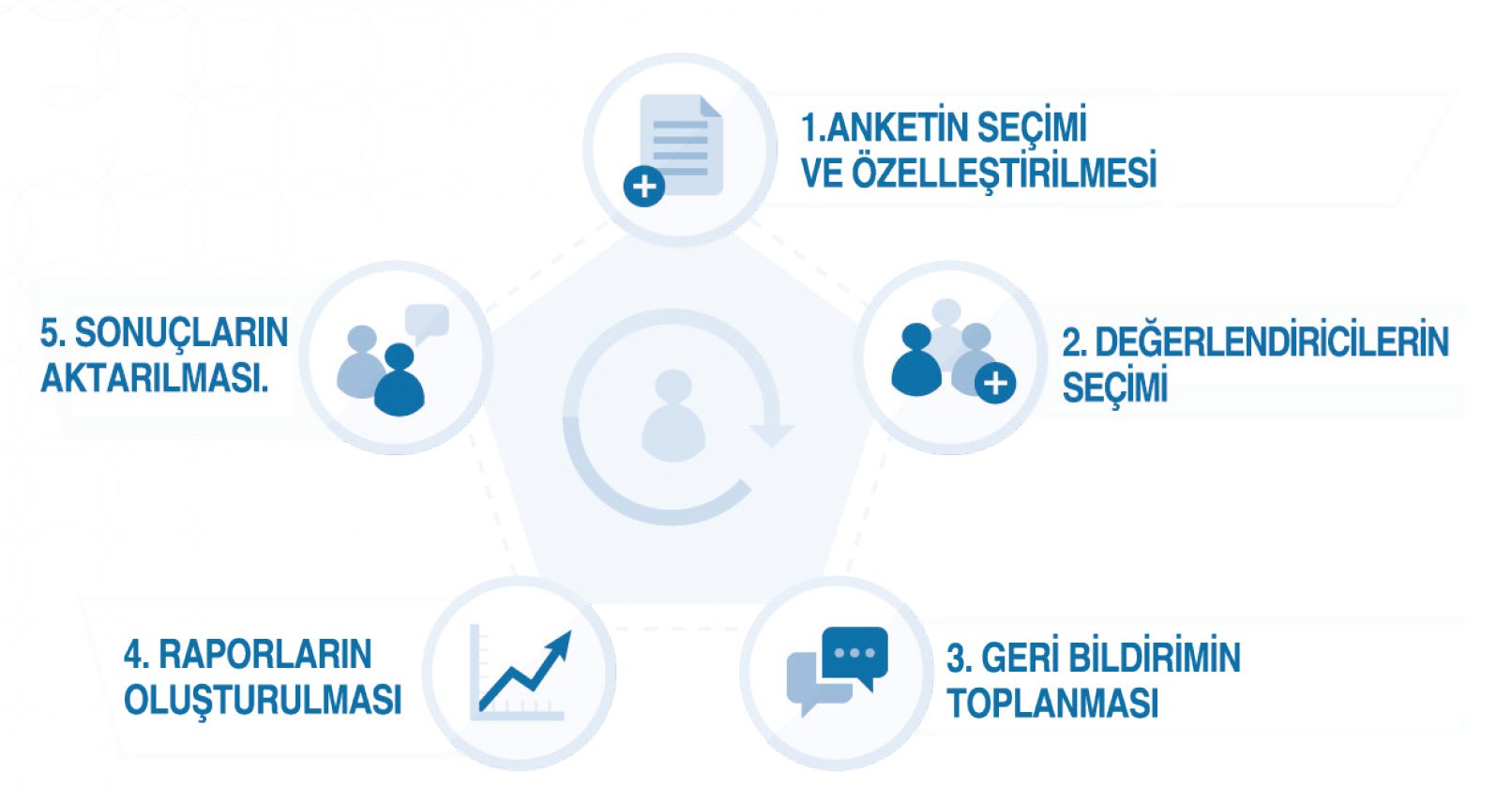
When implemented correctly, a 360-degree solution offers the most meaningful insights into a participant's job skills, communication skills, interpersonal skills, emotional intelligence, etc. While many of the people who work with us would go so far as to describe this process as "career transformative", the effectiveness of multi-rater feedback depends on whether it is successfully executed.
Organizations find 360-degree feedback more valuable than most simple performance appraisals and once-a-year personal development interviews. By seeing how a participant in a 360-degree process is perceived in the totality of the relationships in which they are involved, they can truly discover their stubborn blind spots. 360-degree solutions also help to clarify behaviors by uncovering recurring patterns and themes. Even more importantly, the 360 process reveals areas that are "non-negotiable" - areas that are outside the constraints of ordinary conversations and performance talks. Providing vital information, 360-degree feedback is a powerful tool to foster professional development.

However, there are a number of shortcomings with 360-degree solutions. Some of the most common problems are as follows:
- 360-degree feedback can be demoralizing when presented out of context. Often our perception of our performance is distorted (well, maybe not yours, but everyone's is). Sometimes we exaggerate our good points and sometimes we even overemphasize the things that actually derail us. 360 is likely to bring these to the surface in a more objective way. Because of the possibility of misinterpretation, we recommend that all 360-degree feedback is given to the participant by a trained coach or manager.
- Many people try to guess "who said what". Although 360s are designed to be confidential, it is sometimes possible to identify some evaluators, especially in written comments. For example, a particular evaluator's use of language or special circumstances may lead the participant to immediately recognize the evaluator. When this happens, the confidentiality of the evaluators is not protected and the feedback is not honest enough.

- Especially with ready-made surveys, the 360-degree solution may be too broad for some respondents in terms of what it measures. For example, in a situation where the respondent has no or very limited direct contact with customers, the survey may focus on customers and measure the respondent's interaction with them. We therefore recommend that organizations tailor 360-degree questions to their specific situation before distributing them to participants.
- Participants and coaches can focus too much on individual feedback, which prevents them from seeing the main themes and patterns of behavior that are much more important for the participant's long-term success and development. The participant can get too caught up in a comment or a quantitative feedback and lose sight of the bigger picture.
- Some organizations do not place enough emphasis on the quality of the information gained through 360-degree feedback or underestimate the value of the solution. Sensing this lack of commitment, the participant does not bother to seek out resources that can transform their career. Never present a report accompanied by a strong comment such as "Looks like you're doing great". If this is happening in your organization, you are missing the point and wasting your time and money.
- 360-degree feedback is a snapshot in time, not the whole movie. Therefore, feedback can be influenced (positively or negatively) by momentary out-of-the-ordinary factors that are not normally present. In addition, because 360-degree feedback is static, it does not reflect changes over time or explain variability based on long-term dynamics. One of the factors we need to take into account is what we call the "most recent event effect". This is our tendency to consider only the most recent experience with the individual in question when giving feedback.

- If the 360-degree solution is used for managerial action (e.g. promotion planning, hiring, firing, severance, compensation) it may be subject to interference by participants. It can also be a case of "you scratch my back and I'll scratch yours".
- 360-degree solutions require commitment from the organization and participants, as it takes a lot of time to complete surveys diligently and consistently. As mentioned earlier, without support, the quality of the survey process suffers.
- Sometimes the assessment scale is not applied to everyone in the same way. We are often expected to meet certain "standards" and "compare with other individuals and organizations". However, these criteria are often skewed or ineffective because they are like picking apples and oranges. For example, is it meaningful to compare the CEO of a technology company with a new primary school teacher? Probably not. Likewise, organizations often use different scales or different standards for performance evaluation. What is considered "good performance" in one organization may be "mediocre" in another.

- There is no guarantee that the evaluation scale will be used in the same way ("good" or "mediocre") by different evaluators for the same participant, and this can lead to differences in results. Therefore, before implementing the 360-degree process in your organization, it is important to explain it well to the evaluators. When introducing the process in your organization, we recommend giving people an introductory speech, explaining what will happen and what is expected of them.
- A 360-degree solution without follow-up coaching often does not in itself provide accountability or proper action planning. Effective 360-degree solutions therefore often include a coaching component that is offered for a period of time following feedback to ensure awareness, action and accountability.
As the list above suggests, there may be inadequacies in the process and these can be found in many organizations. Nevertheless, multi-rater feedback is a powerful tool when used correctly. I would like to emphasize that none of these inadequacies are dire and are not a reason not to use 360-degree feedback in your organization. The benefits of a well-implemented 360-degree program are nothing compared to the negatives. Also, with some thought and planning, such as using coaches to interpret reports and guide participants' action plans, many of these inadequacies can be turned into positives.
So what are you waiting for? Take advantage of this effective tool. But do it the right way. Otherwise you will do more harm than good to the process.